How small luxuries make an online casino feel like a night out: the Vegas Plus experience

Design details that whisper quality

It’s the little things that change an ordinary session into something that feels premium: a muted palette that eases the eye, micro-interactions that respond with a soft pulse and animations that never steal the show. At places like Vegas Plus, the interface doesn’t shout—buttons are subtly elevated, the balance updates glide into view and the lobby organises games so you can find favourites without scrolling through chaos.

Those micro-decisions matter when you’re spinning a slot or joining a livestream table. A refined audio bed, crisp typography and clear bet controls reduce friction and keep the focus on entertainment. Players often remark that these refinements make the site feel trustworthy and worth returning to, and that’s exactly the kind of premium feeling designers aim for.

Slots spotlight: reels that feel premium

Slots are the heartbeat of online casinos and the difference between a forgettable spin and a memorable session is in the details. Designers at top-tier sites craft symbols with personality, and they tune the payline visuals so wins feel celebratory rather than gaudy. Vegas Plus offers a range of titles where attention to sound-design, pacing and bonus animations elevates the whole experience.

Beyond graphics, the selection matters. From classic three-reel machines to hyper-modern video slots with immersive narratives, having a thoughtful curation helps players discover pockets of joy. If you want to leap straight into a carefully curated catalogue, try browsing the curated lists at Vegas Plus—they spotlight high-quality releases alongside evergreen favourites.

Live-stream tables: theatre, not just play

Live dealer streams are where the social energy peaks: a real dealer, real cards, and live chat that brings in personality. What stands out in premium streams is production value—multiple camera angles, crisp lighting and dealers who feel both professional and welcoming. On platforms like Vegas Plus, those streams are treated as a show: transitions are smooth, wait times are minimal and RTP information is clear so you know what to expect.

Small enhancements make a big difference here. Picture-in-picture lets you follow a tournament while tracking your favourite table; real-time statistics give context to streaks; and multilingual dealers or subtitled chat make the room feel inclusive. These are the touches that move live-stream tables from passable to compelling entertainment for an adult audience.

Popular games and curated entertainment

When you think of popular gambling games online, a handful always rise to the top: roulette, blackjack, baccarat, and the modern video slots that dominate lobbies. But the modern player also values diversity—tournament modes, crash games, and side-bets that offer a flash of adrenaline without demanding hours of commitment.

  • Roulette: classic and lightning modes for different paces.
  • Blackjack: multi-hand tables and live-hosted variants.
  • Slots: progressive jackpots, Megaways and narrative-driven releases.
  • Novelty: scratchcards, virtual sports and quick-spin arcade games.

Quality platforms ensure these options are easy to navigate, and Vegas Plus consistently appears in conversations about platforms that balance variety with clarity. The site’s focus on both high-production live streams and thoughtfully curated slots makes it feel like a compact casino where every corner has been polished.

Entertainment, choice and responsible play

Ultimately, what feels premium isn’t just glossy visuals—it’s clarity and control. Good platforms let you set limits, access game rules quickly and contact support without a maze of menus. That makes the entertainment sustainable: you can enjoy live-stream drama, chase a bonus round or linger over a slow spin, knowing the environment supports sensible play.

For adults seeking leisure rather than escapism, those small luxuries—thoughtful UX, high production values and a sensible game mix—are what keep a site feeling like an evening well spent. Whether you’re drawn to the theatre of a live table or the crafted sparkle of a standout slot, the best experiences are the ones that feel designed with you in mind, and that’s a guiding principle for platforms such as Vegas Plus.

Late-Night Spins: Why Wild Tiger Slot Feels Perfect on Your Phone

Navigation and Speed

Q: How quickly can I find a game on mobile?

A: On a good site the search and filters load instantly, and Wild Tiger Slot titles often appear in focused sections so you don’t scroll forever. Mobile-first design means large touch targets, condensed menus, and fast loading reels so you can jump straight into entertainment.

Q: Do pages feel snappy on slower connections?

A: Yes. Developers optimize images and prioritize essential scripts, which keeps sessions responsive. That makes Wild Tiger Slot experiences feel immediate even on public Wi-Fi or 4G, preserving both speed and excitement.

Slots, Features, and Popular Games

Q: What kinds of slot themes are most popular right now?

A: Players love a mix: cinematic story slots, neon fruit classics, and high-volatility progressive machines. Wild Tiger Slot selections usually cover that range so your mood—relaxed or adrenaline-driven—has a match.

  • Story-driven video slots with bonus rounds
  • Classic 3-reel slots for quick spins
  • Progressive jackpots for big-hold dreams

Q: Any standout titles I should look for?

A: Search lists and curated collections to find trending hits. Look for titles with frequent mini-games or cascading reels—they’re excellent on small screens. The Wild Tiger Slot roster often highlights mobile-first releases designed for thumb play.

Livestreams and Live Dealer Entertainment

Q: How is livestream casino different on mobile?

A: Livestreams are formatted vertically or responsive to keep the dealer and chat visible without crowding the view. A streamlined UI makes betting quick, and the chat often doubles as a social hub while the dealer runs the table.

Q: Are live dealer games laggy on phones?

A: With adaptive streaming and bitrate switching, most tables stay smooth. Wild Tiger Slot live rooms aim to minimize latency, and good apps will let you switch camera angles or hide chat to save bandwidth.

  1. Classic tables: Blackjack, Roulette, Baccarat
  2. Show-style games: Fast-paced wheel and lotto formats
  3. Interactive streams: Multiplayer features and side bets

Player Experience and Entertainment Value

Q: What makes mobile gambling entertaining beyond wins?

A: Micro-interactions—sound cues, tactile vibration, and quick rewards—create a sense of momentum. Social features like leaderboards and live chat turn solo play into a shared night out. Wild Tiger Slot’s design ethos tends to emphasize those delightful moments.

Q: How do I keep sessions enjoyable and under control?

A: Set short play sessions and use built-in limits. Entertainment is the goal: the flash of a bonus, the camaraderie in chat, and the satisfaction of a clever bet are what keep players coming back, not chasing losses.

Short FAQs

Q: Is it safe to play on mobile?

A: Choose licensed platforms with strong encryption and clear terms. Check for responsible gambling tools and verified payouts before depositing.

Q: Where can I explore a UK-focused site with a wide selection?

A: For a quick browse, visit this dedicated hub: Wild Tiger UK —it showcases mobile-friendly games, live streams, and curated slot lists aimed at UK players.

Q: Can I switch between live and slot sections easily?

A: Yes, modern mobile layouts keep primary categories one tap away so you can move from live dealer tables to your favorite Wild Tiger Slot titles in seconds.

Q: Any final tip for a better mobile experience?

A: Keep your app or browser updated, use a stable connection, and pick compact sessions that fit daily life—gaming should be fun, fast, and friendly. Wild Tiger Slot games shine when they’re part of a balanced entertainment routine.

Mobile Nights: How VegasNow Brings Live Casino Thrills to Your Pocket

Fast Navigation, Instant Play

On a small screen speed and simplicity make or break an evening of entertainment. VegasNow focuses on streamlined navigation so players can tap through lobbies, find favorite slots, and jump into livestream tables without long load times. The mobile interface prioritizes large, tappable buttons, clear fonts, and a compact menu structure that keeps the most-used features one tap away. For anyone who plays between meetings or on a late-night commute, that mobile-first design feels like a game changer.

Feature Spotlight: Slots and Progressive Jackpots

Slots are the heartbeat of most online casinos, and VegasNow showcases them with high-res art and short demo modes that let you preview reels before committing. The platform highlights popular themes, from classic fruit machines to cinematic video slots with immersive soundtracks optimized for mobile. Progressive jackpots get special placement so players can spot life-changing pots quickly, and filters let you sort by volatility, RTP, or bonus features for a tailored experience.

  • Quick demo plays to sample mechanics
  • Filtered results by RTP and volatility
  • Auto-play and adjustable spin speed for on-the-go sessions
  • Integrated paytable overlays optimized for small screens

Live Stream Tables: Real Dealers, Real Speed

Livestream casino play is where the social energy of a brick-and-mortar venue meets modern convenience. VegasNow’s live dealer rooms prioritize low-latency video and adaptive streaming so the view stays crisp even on variable mobile networks. Tables for blackjack, roulette, baccarat, and poker are organized by stake level and atmosphere—from casual chatty lobbies to high-stakes silent rooms—so you can choose the vibe that fits your session.

Interactive features like real-time chat, tip buttons, and quick-action bets make betting fast and social. Because everything is built with mobile data constraints in mind, visual overlays and dealer controls stay responsive while consuming less bandwidth. If you enjoy the camaraderie of live games without the commute, VegasNow’s livestream suite brings dealers and tables straight to your pocket with minimal fuss.

Popular Games and Community Entertainment

Beyond slots and live tables, VegasNow also highlights trending games and community-led content such as streamer-hosted sessions and tournaments. Leaderboards and timed events are mobile-friendly, with clear progress indicators and push notifications that nudge you when a tournament is about to start. That sense of shared momentum—competing for prizes or watching a favorite streamer run a slot marathon—keeps engagement high and turns single-play sessions into social entertainment.

  1. Check tournament schedules in-app and set reminders
  2. Follow streamers to receive live alerts
  3. Use in-app chat for friendly banter and tips

For those who enjoy discovering new creators, the curated live channels make it easy to find hosts whose style matches your preferences, whether you want strategy breakdowns, casual banter, or high-energy commentary during big wins.

Responsible Play, Quick Support, and Final Thoughts

Keeping entertainment safe and enjoyable is a core part of any reputable mobile-first casino experience. VegasNow integrates quick access to deposit limits, session timers, and self-exclusion tools directly in the account menu so responsible-play features are visible and easy to activate. Customer support is optimized for mobile too, with chatbots for instant answers and live agents available via tappable help widgets for more complex requests.

Speed, social interaction, and curated content make mobile play appealing, and VegasNow combines those elements with polished gameplay and responsive livestreams. For players who value quick navigation, rich slot libraries, and the thrill of live dealers on the go, this platform delivers an enjoyable, adult-focused entertainment package that fits in your pocket.

Explore curated offers and the live schedule through the official portal: Vegas Now Online

A Night at the Virtual Tables: Win Airlines and the New Era of Online Casino Entertainment

What Stands Out

The first thing you notice about Win Airlines is the smoothness of the experience — from the instant loading of slot themes to the crisp, well-moderated livestream rooms. The site leans into a friendly, adult-oriented vibe that balances excitement with clarity: clear game descriptions, quick demo modes, and a customer support chat that actually responds like a human. For casual players who want to unwind and for regulars hunting promotions, Win Airlines surfaces the essentials without clutter, letting gameplay remain the star.

Slots, Livestream, and Popular Gamble Games

Slots are the backbone here, and their variety is impressive. You’ll find everything from high-volatility megaways to calm, classic three-reel machines, each with polished graphics and unique bonus rounds. Live dealer tables keep the pace lively: blackjack, roulette, and baccarat streamed in real time with charismatic hosts. In addition to table staples, there’s a solid selection of video poker and instant-win scratch cards that add quick, low-commitment fun to the mix.

If you want a quick gateway into the atmosphere, try a curated playlist or the themed tournaments; these both highlight what the platform does best — blend social interaction with solo play. To explore the site directly and see the lobby layout yourself, check out Win Airlines Online.

What to Expect: Comfort, Pace, and Entertainment

Expect a comfortable rhythm that suits longer sessions and short bursts equally. The interface keeps controls where your thumb or cursor expects them, and autoplay settings are sensible without feeling pushy. Live streams maintain a steady frame rate, so card games feel immediate and slot spins are satisfying. Audio design is another small win: music and effects lift the mood without becoming intrusive, and volume controls let you tailor atmosphere on the fly.

  • Popular game types: themed video slots, live blackjack, roulette, baccarat, video poker.
  • Player-friendly features: demo play, adjustable bet ranges, loyalty tiers with practical perks.
  • Social elements: leaderboards, chat in livestreams, and time-limited tournament events.

Tips for Enjoying the Experience

Think of Win Airlines as a vibrant lounge: come with a plan but stay open to surprises. Set a budget before you play and use session timers if you tend to lose track of time. Try free demo modes to test volatility and bonus mechanics so you know whether a slot leans hot or slow. For livestream tables, watch a few rounds before betting large — seeing dealer speed and table interaction helps you gauge fit.

  1. Start small: test machines in demo, then place conservative bets to get comfortable.
  2. Sample different hosts and dealers in livestreams to find the ones whose pace suits you.
  3. Use promotions to explore new games, but read the wagering conditions so you know what to expect.

Mini-Review: Final Thoughts

Overall, Win Airlines delivers an inviting, well-paced online casino experience that caters to a broad adult audience. It doesn’t overwhelm with gimmicks; instead, it focuses on a polished core offering: reliable livestreams, a rich slot library, and straightforward tools for comfortable play. The loyalty programs reward regulars without feeling obligatory, and the site’s design supports good habits rather than exploiting impulse. Whether you’re chasing progressive jackpots or settling in for a relaxed evening of roulette, Win Airlines offers a pleasant balance of thrill and ease.

Open or Enclosed Red Dot Sight: Which Design Matches the Way You Shoot?

Red dot sights are valued because they make aiming faster and more intuitive than traditional iron sights. Instead of aligning a front post and rear notch, the shooter places an illuminated dot on the target and focuses on a clean sight picture. For close-range and fast-moving situations, that simplicity can make a noticeable difference.

Once you start comparing red dot sights, one design choice appears quickly: open emitter or enclosed emitter. Both types can be accurate, practical, and suitable for serious use. The difference is not that one design is automatically right for every shooter. The better choice depends on where you shoot, how you carry the firearm, and how much exposure your optic is likely to face.

What Makes an Open Red Dot Sight Different?

An open red dot sight has an exposed emitter. The small light source projects the dot onto the lens, but the emitter area is not fully sealed inside a closed housing. This gives the sight a compact shape and often keeps weight low, which is one reason open designs are common on pistols and lightweight rifles.

Many shooters like the open design because it feels minimal. There is usually less housing around the window, so the sight can feel less visually restrictive when shooting with both eyes open. For range use, competition, recreational shooting, and fair-weather outdoor practice, this can be a very comfortable setup.

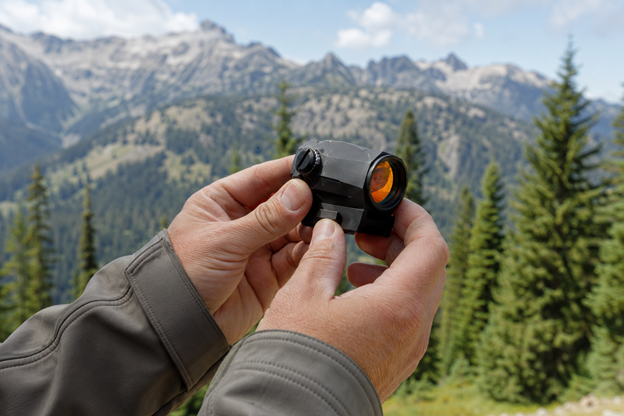
The main drawback is exposure. Dust, mud, rain, snow, or even clothing lint can block or distort the projected dot if it gets into the emitter area. This does not mean an open sight is unreliable in normal use. It does mean the shooter should inspect the optic before shooting and keep the emitter area clean.

Where Enclosed Red Dot Sights Stand Out

An enclosed red dot sight places the emitter inside a sealed body. Instead of having one exposed projection area, the optic has a more protected structure with lenses at the front and rear. This design helps keep debris and moisture away from the emitter, which is one of the most sensitive parts of the sight system.

That protection matters in rougher conditions. Hunters may move through wet brush, cold mornings, dust, or rain. A firearm used for duty, field work, or daily carry may be exposed to sweat, lint, dirt, and sudden weather changes. In those situations, an enclosed design gives the shooter one less thing to worry about.

The tradeoff is size. Enclosed sights are often slightly bulkier and heavier than open models. On a rifle or shotgun, this may not be a major issue. On a compact handgun, the extra housing can feel more noticeable. Some shooters also find that enclosed sights feel more tube-like at first, although practice usually reduces that concern.

Open vs Enclosed Red Dot Sights at a Glance

FactorOpen Red Dot SightEnclosed Red Dot Sight
Emitter protectionEmitter is exposed to dust, water, lint, and debrisEmitter is sealed inside the optic body
Weight and sizeUsually lighter and more compactUsually slightly heavier and bulkier
Common useRange shooting, competition, lightweight setupsHunting, field use, duty use, daily carry
Maintenance focusLens and emitter area must both be checkedExterior lenses and housing should be kept clean

Choosing Based on Your Shooting Environment

If most of your shooting happens at a controlled range, an open red dot sight may be more than enough. The environment is usually cleaner, the firearm is often transported in a case, and the shooter has time to inspect the optic before firing. In that setting, the lighter and simpler design is a practical advantage.

Competition shooters may also prefer open designs because speed, weight, and sight window feel can matter during timed stages. If the shooter is already disciplined about checking equipment before a match, the exposed emitter is usually manageable. The key is not ignoring maintenance.

For outdoor shooting in unpredictable conditions, an enclosed sight becomes more attractive. Rain, dust, snow, mud, and vegetation can all interfere with exposed components. A sealed emitter does not make the optic immune to every problem, but it reduces the chance that a small obstruction will interrupt the dot when the sight is needed.

Firearm Type Also Matters

On rifles and carbines, the difference in size between open and enclosed red dots is often less important. A slightly larger optic may not affect handling much, especially if the firearm is already set up for field use. In this case, many shooters may choose based on durability, battery access, mount height, and weather resistance.

On handguns, the decision can be more personal. Open red dots keep the slide-mounted setup lighter and lower profile. That can help preserve the balance and carry comfort of the pistol. For shooters who mainly use a pistol at the range, this may be the most sensible option.

For daily carry, enclosed pistol optics deserve serious consideration. A carried handgun is often exposed to sweat, lint, clothing fibers, and temperature changes. Because an enclosed sight protects the emitter, it can be easier to keep functional during long periods of carry. The shooter still needs to clean the glass, but the projection system is better shielded.

Durability Is Not Only About Open or Enclosed Design

It is easy to assume that every enclosed sight is tougher than every open sight. That is too simple. Overall quality depends on the housing material, lens coatings, waterproofing, shock resistance, adjustment system, battery compartment, and mount. A well-built open sight can be more dependable than a poorly built enclosed one.

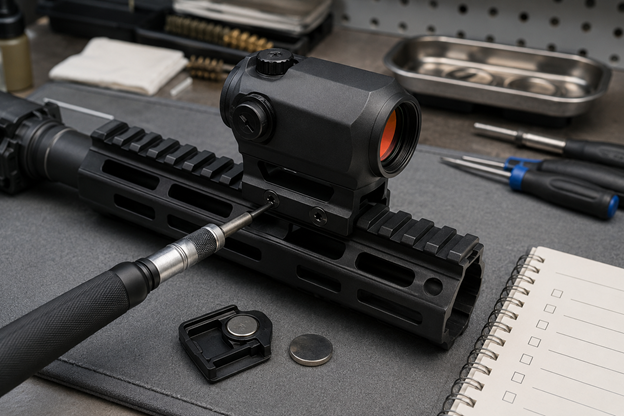
Mounting compatibility is especially important. A red dot sight must fit the firearm, rail, slide cut, or adapter plate correctly. If the mount is weak or the screws are not secured properly, even a high-quality optic can lose zero. Shooters should check fitment before buying and recheck zero after installation.

Battery access is another practical detail. Some optics require removal from the firearm to replace the battery, while others allow battery changes from the side or top. If removing the optic is required, the shooter may need to confirm zero again afterward. This is not always a problem, but it affects convenience over time.

Maintenance and Training Still Decide Performance

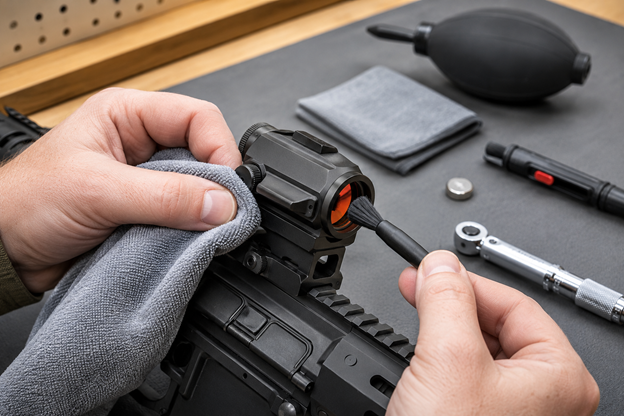
No red dot sight removes the need for care. Open sights should be checked for anything blocking the emitter. Enclosed sights should be checked for dirty lenses, loose mounts, damaged housings, and battery condition. A lens pen, soft brush, and microfiber cloth are better choices than rough fabric or improvised cleaning methods.

Training matters just as much as equipment. A red dot can help with faster target acquisition, but the shooter still needs safe handling, stable grip, trigger control, and consistent presentation. Handgun shooters often need time to learn how to find the dot quickly after drawing or mounting the pistol.

The sight is a tool, not a substitute for skill. Whether the design is open or enclosed, the shooter should practice in the conditions where the firearm will actually be used. A range-only setup and a field-use setup may need different priorities.

Final Decision

An open red dot sight is a strong choice for shooters who want a lighter, more compact optic for range work, competition, or controlled conditions. It gives fast aiming support without adding much bulk, as long as the shooter is willing to keep the emitter clean and inspect the sight regularly.

An enclosed red dot sight is better suited to shooters who expect rain, dust, brush, daily carry, or rougher field use. The sealed emitter adds protection and can improve confidence when conditions are less predictable. The tradeoff is usually a little more size and weight.

The right choice comes down to use, not trends. If your priority is minimum bulk and clean range performance, open makes sense. If your optic may face weather, dirt, or constant carry, enclosed is usually the more practical design.

Red Dot Sight Maintenance and Gambling Habits: Why Careful Checks Matter

At first, red dot sight maintenance and gambling may seem like unrelated topics. One belongs to the world of firearms, optics, range practice, and outdoor equipment. The other belongs to digital entertainment, casino platforms, payments, bonuses, and risk management. But both areas reward the same kind of user: someone who slows down, checks the details, and understands the cost of careless decisions.

A shooter who ignores a loose mount, dirty lens, or weak battery may discover the problem only when accuracy matters. A casino player who ignores payment terms, bonus conditions, or bankroll limits may notice the problem only after money has already been spent. In both cases, prevention is easier than repair.

This article uses red dot sight maintenance as a practical comparison point, but the broader message is about gambling habits. Whether someone is cleaning an optic or choosing an online casino, the process should start with inspection, not impulse.

Clear Vision: Why Details Matter Before You Start

A red dot sight depends on a clean lens and a visible aiming point. If dust, moisture, or debris affects the optic, the shooter may still see something through the glass, but the sight picture is no longer dependable. Small problems can create hesitation, distortion, or misplaced confidence.

Gambling decisions work in a similar way. A casino site may look polished, fast, and easy to use, but the visible interface is only part of the experience. The details behind the screen matter: deposit methods, withdrawal rules, game provider information, bonus terms, account verification, and responsible gambling tools.

Players often get into trouble when they react to the brightest signal instead of reading the full picture. A large bonus, fast signup, or instant payment option may be attractive, but none of those features removes the risk of loss. Gambling should be treated as paid entertainment, not as a financial plan.

Crypto Casinos and the Need for Extra Attention

Cryptocurrency has added another layer to online gambling. Some players are interested in faster payments, digital wallets, and wider access to casino platforms. Others are drawn by the idea of using crypto instead of traditional banking methods. These features can be convenient, but they also require a stronger understanding of risk.

Readers who want to compare how these platforms work can review resources about crypto casinos. The important point is to look beyond the label. A crypto casino may still have wagering rules, withdrawal limits, verification requirements, exchange-rate exposure, and gambling risks. The payment method changes part of the process, but it does not change the basic nature of casino play.

Crypto also creates practical issues that traditional payment methods may not. Transactions can be difficult or impossible to reverse. Coin values can change. Wallet mistakes can be costly. Before using any gambling platform with cryptocurrency, a player should understand how deposits, withdrawals, conversion, fees, and account security work.

A Simple Checklist Before Using an Online Casino

Just as a shooter checks a red dot sight before heading to the range, a player should check the basics before depositing money. This does not make gambling risk-free, but it can reduce avoidable mistakes and help the player make a more informed decision.

  • Check whether the casino clearly explains deposits, withdrawals, fees, and processing times.
  • Read bonus terms before accepting promotional offers.
  • Look for responsible gambling tools such as deposit limits, time limits, and self-exclusion options.
  • Confirm whether identity verification may be required before withdrawals.
  • Set a fixed entertainment budget before playing, and do not exceed it.
  • Avoid gambling when tired, stressed, angry, or trying to recover previous losses.

This kind of checklist is not exciting, but it is useful. Most gambling problems do not begin with one dramatic mistake. They often begin with small skipped steps: not reading terms, not setting limits, not tracking time, or treating a losing session as something that must be fixed immediately.

The Maintenance Mindset: Routine Over Reaction

Good optic maintenance is routine. A shooter does not wait until the sight fails completely before cleaning the lens or checking the mount. The habit is built into preparation. Before use, the shooter checks the dot, battery, screws, and glass. After use, the shooter looks for dirt, moisture, impact marks, or movement.

Gambling discipline works better the same way. A player should not wait until spending feels uncomfortable before setting limits. Limits should be decided before play begins. The amount of money, the amount of time, and the reason for playing should be clear from the start.

Reaction-based gambling is risky because emotions become part of the decision. After a loss, the next bet can feel like a correction. After a win, the next bet can feel harmless. Both reactions can lead to poor choices. A routine creates distance between the player and the emotional pressure of the moment.

Security, Accounts, and Digital Control

With a red dot sight, security often means a stable mount, protected lens, and dependable battery. With online gambling, security means account control. Passwords, two-factor authentication, wallet access, email safety, and device security all matter when money is involved.

This is especially important for crypto users. A casino account connected to a digital wallet or used for crypto transactions should be handled carefully. Players should avoid sharing login details, reusing weak passwords, or making transactions from devices they do not trust. The faster the payment method, the more important account security becomes.

Players should also keep records of deposits and withdrawals. A clear history makes it easier to notice spending patterns and confirm whether transactions match expectations. Gambling platforms may show account history, but personal tracking adds another layer of awareness.

Bonuses Can Distort the Sight Picture

In optics, a dirty or distorted lens can make the shooter misread what is in front of them. In gambling, bonuses can have a similar effect. A large promotion may make a casino look more attractive than it really is, especially if the player focuses only on the headline number.

Bonus terms can include wagering requirements, game restrictions, maximum bet limits, expiration dates, and withdrawal caps. These conditions are not small details. They define how the promotion actually works. A bonus that looks generous at first glance may be less useful after the rules are understood.

This does not mean every bonus is bad. It means every bonus should be read carefully. A player should ask whether the offer fits their normal play style and budget. If a promotion encourages larger deposits, faster play, or games the player would not otherwise choose, it may not be helpful.

Risk Is Part of the Activity

A red dot sight can support accuracy, but it cannot replace training. In the same way, casino tools, payment options, and platform features cannot remove the risk from gambling. Every casino game is designed around uncertainty, and losing money is a normal possible outcome.

The safest assumption is that gambling money may be lost. This is why the budget should come from discretionary entertainment funds, not rent, bills, savings, credit, or borrowed money. If losing the amount would create stress or financial pressure, that amount is too high.

Chasing losses is one of the clearest warning signs of unhealthy gambling. When a player keeps increasing bets to recover previous losses, the session is no longer entertainment. It becomes emotional damage control, and that is a poor basis for decision-making.

When to Stop

Stopping is easier when the rule is set before play begins. A player can set a time limit, loss limit, win limit, or session limit. Once the limit is reached, the session ends. This removes the need to negotiate with yourself while emotions are high.

Breaks also matter. Long sessions can make spending feel less real, especially when using digital balances or cryptocurrency instead of cash. Stepping away helps reset attention and makes it easier to notice whether the session still feels recreational.

If gambling starts affecting sleep, mood, relationships, work, or finances, it is no longer just entertainment. At that point, the right response is not a better strategy or a different casino. The right response is to stop and seek support from responsible gambling resources or professional help in the player’s location.

Final Thoughts

Red dot sight maintenance is built on a practical idea: check small things before they become serious problems. The same idea applies to gambling. Read the terms, understand the payment method, secure the account, set limits, and treat every session as entertainment with real risk.

Crypto casinos, online platforms, bonuses, and fast payments can make gambling feel more convenient, but convenience is not the same as control. The careful player looks past the bright interface and checks how the system works before putting money into it.

Whether maintaining an optic or managing a casino account, reliability starts with habits. Clear checks, realistic expectations, and firm limits do more to protect the user than any single feature, promotion, or tool.

Precision in Shooting and Gaming: The Intersection of Red Dot Sights and Online Gaming

Precision has always been a defining factor in activities where skill, focus, and decision-making determine success. In the physical world, shooting sports rely heavily on accurate aiming, timing, and controlled movement. In the digital world, gaming relies on strategic thinking, awareness, and precise choices. Although these domains may appear unrelated, they share deeper similarities rooted in concentration, technique, and mental discipline. By examining red dot sights in shooting and online gaming platforms, we can better understand how precision functions across both real-world and digital experiences.

Red Dot Sights and the Evolution of Shooting Accuracy

Red dot sights have transformed modern shooting by simplifying target acquisition and improving accuracy under pressure. Unlike traditional iron sights, which require careful alignment of front and rear sights, red dot sights allow shooters to place a single illuminated point directly on the target. This design reduces the cognitive and physical effort required to aim, enabling faster reactions and more consistent accuracy.

Hunters, competitive shooters, and tactical professionals benefit from this technology in different ways. Hunters gain quicker target acquisition in dynamic outdoor environments. Competitive shooters improve speed and consistency during timed events. Tactical users rely on red dot sights for rapid response and situational awareness. Across all these use cases, precision is achieved through clarity, focus, and efficient visual processing.

Importantly, red dot sights do not replace skill; they enhance it. Shooters must still control breathing, trigger pull, posture, and timing. The sight acts as a tool that supports disciplined technique rather than compensating for its absence.

Precision as a Mental Skill

Beyond physical accuracy, shooting demands mental precision. Shooters must remain calm under pressure, assess conditions quickly, and commit to decisions without hesitation. Distractions or emotional responses can degrade performance just as easily as poor equipment. Precision, therefore, is as much a psychological skill as it is a mechanical one.

This mental discipline mirrors the cognitive demands found in many digital environments, especially strategic gaming.

Precision and Decision-Making in Online Gaming

Online gaming presents a different but equally demanding form of precision. Instead of physical alignment, players rely on judgment, timing, probability awareness, and self-control. Strategic decisions determine outcomes, even in games that involve chance.

Platforms such as Casino Fugu offer gaming experiences where timing, focus, and decision-making shape results. Players choose when to engage, how to manage resources, and when to step back. These decisions require clarity of thought and emotional regulation, especially during moments of anticipation or excitement.

While gaming outcomes are influenced by randomness, player behavior significantly affects overall experience and long-term results. Precision in gaming involves understanding mechanics, recognizing patterns, and maintaining discipline rather than reacting impulsively.

Parallels Between Shooting and Gaming

The connection between shooting with red dot sights and online gaming becomes clear when examining how precision operates in both activities. In shooting, the red dot provides a clear focal point, helping users align intention with action. In gaming, rules and interfaces provide feedback that helps players align strategy with outcomes.

  • In both cases:
  • Focus reduces error.
  • Preparation improves performance.
  • Emotional control prevents costly mistakes.
  • Timing influences success.

A shooter who rushes a shot may miss the target. A gamer who makes impulsive decisions may lose control of their session. Precision depends on the ability to pause, assess, and act deliberately.

Strategy, Risk, and Control

Both shooting and gaming involve risk management. In shooting sports, safety and responsibility are paramount. Shooters must assess their environment, understand their equipment, and act within strict boundaries. In gaming, responsible engagement involves setting limits, understanding odds, and managing resources carefully.

Strategic thinking bridges both worlds. A shooter plans positioning and timing. A gamer plans engagement and decision points. In each case, success is not defined by constant action, but by choosing the right moment.

Tools like red dot sights support this strategic approach by reducing unnecessary complexity and allowing users to focus on what matters most. Similarly, well-designed gaming platforms provide clear interfaces and feedback systems that support informed choices.

The Role of Training and Practice

Precision improves with practice in both shooting and gaming. Repetition builds familiarity, confidence, and muscle memory in shooting. In gaming, practice builds understanding of mechanics, probabilities, and optimal decision paths.

Neither activity rewards recklessness. Instead, both favor individuals who learn from experience, reflect on outcomes, and adjust behavior accordingly. Precision is refined over time through intentional effort.

Technology as an Enabler, Not a Replacement

It is important to recognize that technology enhances but does not replace human skill. Red dot sights make aiming more efficient, but they do not eliminate the need for training. Gaming platforms provide structured environments, but success still depends on player judgment.

In both cases, the human element remains central. Precision emerges when tools and mindset work together.

Conclusion

Precision connects the physical discipline of shooting with the strategic discipline of online gaming. Red dot sights improve accuracy by clarifying focus and reducing complexity, while gaming platforms challenge players to make thoughtful, timely decisions within structured systems.

Whether aligning a sight with a target or choosing a move in a digital game, success depends on awareness, control, and strategy. By understanding these parallels, users can appreciate how precision operates across different domains — enhancing performance, enjoyment, and responsibility in both real-world activities and digital entertainment.

Spotting Scope or Binoculars? Your Guide to Choosing the Perfect Optic

Venturing into the wilderness or gazing at the stars requires the right tools to bring distant sights into focus. Whether you’re a birdwatcher, hunter, or casual hiker, the choice between a spotting scope and binoculars can shape your experience. Each offers distinct strengths, tailored to different scenarios, from scanning vast landscapes to zooming in on intricate details. This guide dives deep into their differences, helping you pick the ideal optic for your adventures, with practical insights to ensure you make the most of every moment.

Decoding Optical Tools: What Sets Them Apart

Choosing the right optic starts with understanding the fundamental differences between spotting scopes and binoculars. Both are designed to bring distant objects closer, yet their unique designs cater to distinct purposes and scenarios. Let’s break down their core features to help you make an informed decision.

Binoculars: Your Portable Window to the World

Binoculars are compact, dual-lens devices that provide a natural, two-eyed viewing experience, making them a go-to for adventurers and casual observers alike. Their lightweight design is perfect for those on the move, whether you’re hiking through a forest or cheering at a sports event. For example, enthusiasts often pair binoculars with exciting experiences like those found on https://casinos-europeos.net/, where the thrill of gaming meets the clarity of high-quality optics for spotting details in vibrant settings like casino events or outdoor festivals. Their versatility and ease of use make binoculars a favorite for spontaneous adventures.

  • Ease of Carry: Slip them into a backpack or wear them around your neck for effortless portability.
  • Broad Perspective: A wide field of view excels at tracking fast-moving subjects, like birds in flight or athletes on a field.
  • Instant Use: No setup required—simply pick them up and start exploring.

Spotting Scopes: Zooming in on the Details

Spotting scopes are single-lens powerhouses designed for high magnification and long-range viewing. Often paired with a tripod for stability, they’re the go-to for tasks requiring precision, such as observing distant wildlife or celestial bodies. While less portable, their ability to reveal fine details makes them invaluable for dedicated enthusiasts.

  • Powerful Zoom: Magnification ranges from 15x to 60x or more, ideal for far-off targets.
  • Steady Viewing: Tripods ensure shake-free images, critical for prolonged observation.
  • Niche Applications: Suited for stationary setups, like bird hides or shooting ranges.

Key Considerations for Your Choice

Your optic should match your activities, environment, and preferences. Both binoculars and spotting scopes have unique advantages, and understanding these will steer you toward the right tool. Let’s break down the critical factors to consider.

Magnification: How Close Do You Need to Get?

Magnification defines how much an object is enlarged. Binoculars typically range from 8x to 12x, suitable for most general-purpose activities like hiking or watching sports. Spotting scopes, with their 15x–60x range, excel at bringing distant subjects—like a hawk on a far-off cliff or Jupiter’s moons—into sharp focus.

FeatureBinocularsSpotting Scope
Magnification8x–12x15x–60x+
Ideal UseClose to mid-range viewingLong-distance, detailed observation
Example ScenariosConcerts, casual birdingAstronomy, wildlife tracking

Portability: On the Move or Stationary?

Mobility is a major factor, especially for those who love spontaneous adventures. Binoculars, often weighing less than 2 pounds, are easy to carry on hikes or slip into a daypack. Spotting scopes, when paired with tripods, can tip the scales at 5–10 pounds, making them better suited for fixed locations like a campsite or observatory.

  • Binoculars: Lightweight and travel-friendly, perfect for dynamic outings.
  • Spotting Scopes: Bulkier, ideal for setups where you’ll stay put for a while.

Field of View and Clarity

A wider field of view helps you track fast-moving objects, like a flock of birds or a soccer player sprinting across a field. Binoculars typically offer a field of view between 300–500 feet at 1,000 yards, making them great for dynamic scenes. Spotting scopes, with a narrower 50–150 feet at the same distance, prioritize crisp, high-resolution images for stationary subjects, like a distant mountain goat or a lunar crater.

AspectBinocularsSpotting Scope
Field of View300–500 ft at 1,000 yd50–150 ft at 1,000 yd
Image ClarityGood for general useExceptional for fine details
Best ForMoving targetsStatic, distant subjects

Matching Optics to Your Adventures

Different activities demand specific optical capabilities. Whether you’re exploring a national park or stargazing in your backyard, here’s how binoculars and spotting scopes perform in common scenarios.

Birdwatching: Spotting Feathers in Flight

Birdwatching blends the need for portability with the desire for clear visuals. Binoculars are the top choice for casual birders, thanks to their wide field of view, which makes it easier to locate and follow birds flitting through trees. For serious ornithologists studying rare species at a distance, a spotting scope’s high magnification reveals subtle details, like the markings on a warbler’s wings.

  • Best Choice: Binoculars (8×42 or 10×42) for general birding; spotting scopes for detailed, long-range observation.
  • Tip: Opt for optics with multi-coated lenses for brighter images in low light, like dawn or dusk.

Hunting: Tracking Game with Precision

Hunters need optics that perform across diverse terrains and lighting conditions. Binoculars excel at scanning wide areas to spot game, such as deer moving through a forest. Spotting scopes are ideal for assessing distant targets, like evaluating antler size or tracking animal behavior without getting too close.

TaskBest ToolReason
Scouting TerrainBinocularsWide field for quick scanning
Long-Range AssessmentSpotting ScopeHigh zoom for detail
Low-Light HuntingBinoculars with 50mm lensesBetter light capture

Making the Right Call

Choosing between a spotting scope and binoculars hinges on your lifestyle and goals. Binoculars are the versatile, go-anywhere choice for hikers, casual birders, or event-goers who need quick, easy viewing. Spotting scopes shine for dedicated observers, like astronomers or hunters, who prioritize detail over long distances. Here’s a quick guide to seal your decision:

  • Go for Binoculars If: You want a lightweight, all-purpose optic for hiking, sports, or casual wildlife viewing.
  • Go for a Spotting Scope If: You need high magnification for stationary, long-range tasks like astronomy or serious birdwatching.
  • Consider a Monocular: A lightweight hybrid option for those wanting a balance of portability and zoom.

Final Tips for Choosing

  • Test Before You Buy: If possible, try optics in-store to assess comfort and clarity.
  • Check Accessories: Ensure binoculars have lens caps and a carrying case; for spotting scopes, invest in a quality tripod.
  • Think Long-Term: Higher-quality optics last longer and perform better in challenging conditions.

With these insights, you’re equipped to pick the optic that will elevate your outdoor experiences, bringing every distant detail into vivid focus.

Choosing the Right Sight: Types of Optics for Firearms

Firearm optics play a crucial role in improving accuracy, target acquisition speed, and overall shooting experience. Whether you’re a hunter, a competitive marksman, or simply enjoy shooting sports, choosing the right optic can make a significant difference. With a wide range of optics available, each suited for different purposes, understanding the basics is essential before making a choice.

Understanding the Purpose of Optics

Different shooting scenarios require different types of sights. The right optic depends on the firearm, the distance to the target, the lighting conditions, and the shooter’s goals. While traditional iron sights are still used and trusted, modern optical systems offer precision and versatility that significantly enhance performance. Selecting the right sight is not about the most expensive gear, but about finding the best match for your specific use.

Common Types of Firearm Optics

Iron Sights

These are the standard aiming tools built into most firearms. Iron sights consist of a front post and a rear notch or aperture, and are valued for their simplicity and reliability. They don’t rely on electronics or lenses, making them ideal in harsh conditions or as a backup to more advanced optics. However, they require practice to master and aren’t effective in low-light environments or at longer distances.

Red Dot Sights

Red dot sights are popular for fast target acquisition, especially at close ranges. They project a red or green dot onto a lens, allowing the shooter to quickly align the firearm without having to close one eye. Red dots are lightweight, offer unlimited eye relief, and are often used on pistols, rifles, and shotguns. Though they lack magnification, they are highly effective for distances up to 100 yards. Battery life and durability are factors to consider when choosing a red dot sight.

Holographic Sights

Holographic sights use laser-based technology to project a reticle onto the viewing window. Unlike red dots, the reticle remains consistent even if the shooter’s eye position shifts. This makes them ideal for tactical and rapid shooting scenarios. They are typically heavier and more expensive than red dots, but offer faster reticle recovery and better performance with magnifiers.

Prism Scopes

Prism sights utilize a prism-based optical system, providing clearer images and a compact design. These are great for shooters who want a fixed level of magnification without the size and weight of traditional scopes. Many prism optics come with etched reticles, meaning they remain usable even if the battery dies. They’re suitable for medium distances and offer a good balance between speed and precision.

Magnified Rifle Scopes

Magnified scopes are essential for long-range precision. Available in fixed and variable power versions, these optics allow for accurate shots over several hundred yards. Variable scopes, like 3–9x or 4–16x, are ideal for hunters and long-distance sport shooters. Scopes often come with additional features such as range-estimating reticles and adjustable turrets. While they offer high precision, they also add weight and require more time to aim, making them less practical for close-quarters scenarios.

Night Vision and Thermal Optics

Designed for visibility in darkness or obscured environments, night vision and thermal optics are highly specialized tools. Night vision amplifies ambient light, while thermal optics detect heat signatures. Both types are used in the military, law enforcement, and nighttime hunting. They are among the most expensive and complex optics, requiring proper training and care. For most recreational shooters, they are unnecessary, but they can be essential in specific professional contexts.

Key Factors to Consider When Choosing a Sight

Intended Use

Think about how you plan to use your firearm. Tactical shooters may prioritize speed and wide field of view, while hunters often need magnification and clarity. If you only shoot at the range, a simple red dot or prism scope may be enough.

Shooting Distance:

  • Close range (0–100 yards): Red dot sights, holographic sights, or iron sights
  • Medium range (100–300 yards): Prism scopes or low-magnification optics
  • Long range (300+ yards): Variable power scopes with range reticles

Mounting Compatibility

Ensure the sight fits your firearm’s rail system. Most modern rifles use Picatinny or Weaver rails, while handguns and shotguns may need custom mounts. Always verify compatibility before purchasing.

Weight and Size

Some optics can significantly add to the weight of your firearm. If you’re shooting from a standing or mobile position, lighter optics may be preferable. Consider your shooting environment and how much movement is involved.

Durability and Battery Life

For electronic sights like red dots and holographic models, battery life is a key feature. Many modern optics offer thousands of hours of usage, but it’s still wise to carry spares. Durability features such as waterproofing, shock resistance, and fog-proof lenses are also important for field use.

Practical Tips for Maintaining Your Optics

Regular maintenance ensures that your optic remains accurate and reliable over time. Use lens pens or microfiber cloths to clean the glass, and avoid touching the lenses with your fingers. Check that your mounting system is secure before and after each shooting session. When storing, use protective lens covers or cases to prevent scratches and environmental damage.

Final Thoughts

Choosing the right firearm optic isn’t just about brand names or price—it’s about function, fit, and purpose. A high-quality optic tailored to your needs can enhance your precision, improve reaction time, and ultimately make your shooting experience more satisfying and safe. Whether you’re navigating dense woods on a hunt or sighting in at the range, the right sight turns your firearm into a more accurate and efficient tool. Take the time to understand your requirements and test different systems when possible. Investing in the right optic now will pay off with every shot you take.

The Role of Optics in Wildlife Photography: Beyond the Gun Range

Wildlife photography is an art form that requires more than just a keen eye and quick reflexes. It demands a deep understanding of the tools that allow us to capture nature in its most elusive moments. Optics, in particular, play a pivotal role in this pursuit, bridging the gap between the photographer and their often distant, skittish subjects. As wildlife photography evolves, the significance of optics extends beyond their traditional use in hunting, offering a new perspective on how we interact with the natural world.

The Evolution of Optics: From Hunting to Photography

Historically, optics have been closely associated with hunting, where the primary goal was to accurately target and bring down game. Telescopic sights and binoculars were designed to enhance the hunter’s vision, allowing them to see clearly over long distances. These tools, however, were designed with a singular focus: to improve accuracy in a high-stakes, often life-or-death scenario.

As photography became more accessible and popular in the 20th century, the need for precise, high-quality optical equipment grew. Photographers began to realise that the same technology used in hunting could be repurposed to capture the beauty of wildlife, without the destructive intent. This shift marked a significant moment in the history of optics, transforming them from tools of pursuit into instruments of preservation and appreciation.

Today, advanced optics are an integral part of wildlife photography, enabling photographers to capture images with a level of detail and clarity that was previously unimaginable. High-quality lenses, binoculars, and spotting scopes have become essential tools, allowing photographers to observe and document wildlife from a respectful distance, without disturbing their natural behaviour.

The Importance of Optical Quality in Wildlife Photography

Optical quality is a critical factor in wildlife photography. Unlike other forms of photography, where subjects may be static and controlled, wildlife photography often involves unpredictable and fast-moving subjects. The right optics can make the difference between capturing a fleeting moment and missing it altogether.

  1. Magnification and Clarity: One of the most important aspects of optics in wildlife photography is magnification. A powerful telephoto lens or a high-quality spotting scope allows photographers to get close to their subjects without physically approaching them, which is crucial for capturing candid, natural behaviours. However, magnification is only part of the equation. The clarity and resolution of the optics are equally important. High-quality glass and coatings reduce chromatic aberration and increase sharpness, ensuring that even at high magnifications, images are crisp and clear.
  2. Light Transmission and Low-Light Performance: Wildlife photography often takes place in challenging lighting conditions, such as dawn or dusk when animals are most active. Optics with superior light transmission can make a significant difference in these situations. Lenses with wide apertures and high-quality coatings help gather more light, allowing photographers to shoot in low-light conditions without sacrificing image quality. This capability is essential for capturing the subtle details and textures that bring wildlife photos to life.

Beyond the Gun Range: The Ethical Use of Optics in Wildlife Photography

As the role of optics in wildlife photography continues to evolve, it is important to consider the ethical implications of their use. Unlike hunting, where the goal is to track and capture or kill, wildlife photography seeks to observe and document. This shift in intent necessitates a different approach to how we use optical equipment.

  1. Respect for Wildlife: The use of optics in wildlife photography should always be guided by a respect for the animals and their habitats. Photographers should avoid using optics to intrude on animals’ personal space or disrupt their natural behaviours. Instead, the goal should be to capture images that reflect the true essence of the wildlife, without causing harm or distress.
  2. Conservation and Education: Wildlife photography has the power to inspire and educate. By using optics to capture stunning images of wildlife, photographers can raise awareness about conservation issues and the importance of protecting natural habitats. This shift from the traditional use of optics in hunting to their use in conservation-oriented photography reflects a broader societal move towards preserving rather than exploiting our natural resources.

Conclusion

The role of optics in wildlife photography has grown far beyond their origins in the gun range. Today, they are essential tools that allow photographers to connect with nature in a meaningful and ethical way. By providing the ability to capture stunning images from a distance, optics have become instrumental in not only documenting wildlife but also in promoting conservation and respect for the natural world. As technology continues to advance, the possibilities for what can be achieved with optics in wildlife photography are limitless, offering new ways to see and appreciate the world around us.