The Role of Optics in Wildlife Photography: Beyond the Gun Range

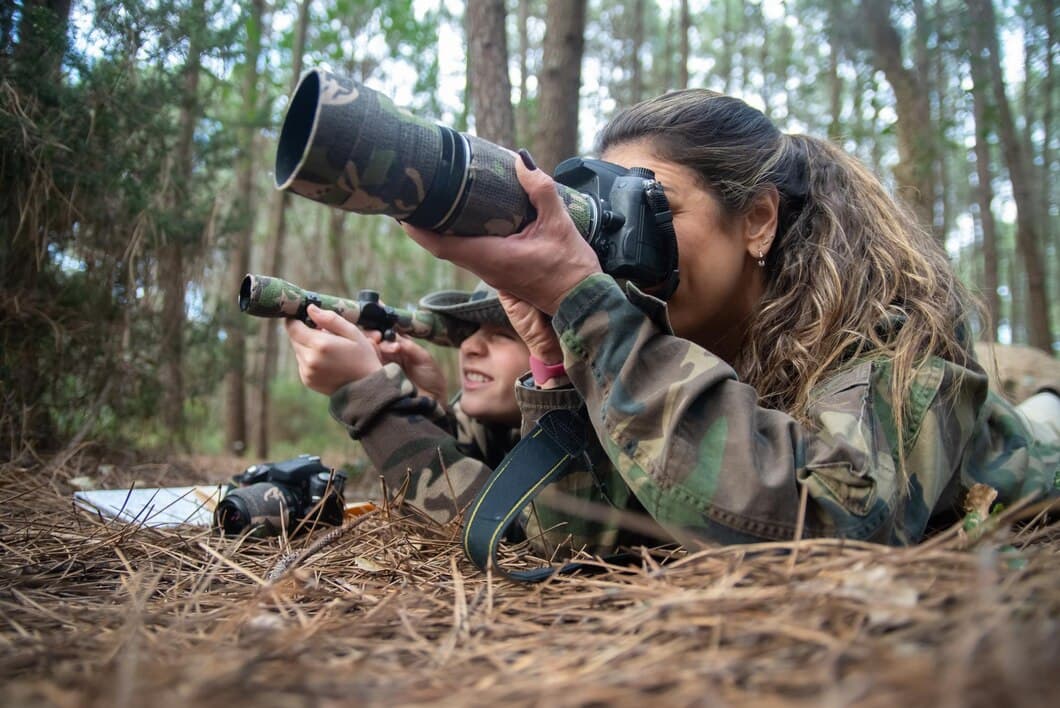
Wildlife photography is an art form that requires more than just a keen eye and quick reflexes. It demands a deep understanding of the tools that allow us to capture nature in its most elusive moments. Optics, in particular, play a pivotal role in this pursuit, bridging the gap between the photographer and their often distant, skittish subjects. As wildlife photography evolves, the significance of optics extends beyond their traditional use in hunting, offering a new perspective on how we interact with the natural world.

The Evolution of Optics: From Hunting to Photography

Historically, optics have been closely associated with hunting, where the primary goal was to accurately target and bring down game. Telescopic sights and binoculars were designed to enhance the hunter’s vision, allowing them to see clearly over long distances. These tools, however, were designed with a singular focus: to improve accuracy in a high-stakes, often life-or-death scenario.

As photography became more accessible and popular in the 20th century, the need for precise, high-quality optical equipment grew. Photographers began to realise that the same technology used in hunting could be repurposed to capture the beauty of wildlife, without the destructive intent. This shift marked a significant moment in the history of optics, transforming them from tools of pursuit into instruments of preservation and appreciation.

Today, advanced optics are an integral part of wildlife photography, enabling photographers to capture images with a level of detail and clarity that was previously unimaginable. High-quality lenses, binoculars, and spotting scopes have become essential tools, allowing photographers to observe and document wildlife from a respectful distance, without disturbing their natural behaviour.

The Importance of Optical Quality in Wildlife Photography

Optical quality is a critical factor in wildlife photography. Unlike other forms of photography, where subjects may be static and controlled, wildlife photography often involves unpredictable and fast-moving subjects. The right optics can make the difference between capturing a fleeting moment and missing it altogether.

  1. Magnification and Clarity: One of the most important aspects of optics in wildlife photography is magnification. A powerful telephoto lens or a high-quality spotting scope allows photographers to get close to their subjects without physically approaching them, which is crucial for capturing candid, natural behaviours. However, magnification is only part of the equation. The clarity and resolution of the optics are equally important. High-quality glass and coatings reduce chromatic aberration and increase sharpness, ensuring that even at high magnifications, images are crisp and clear.
  2. Light Transmission and Low-Light Performance: Wildlife photography often takes place in challenging lighting conditions, such as dawn or dusk when animals are most active. Optics with superior light transmission can make a significant difference in these situations. Lenses with wide apertures and high-quality coatings help gather more light, allowing photographers to shoot in low-light conditions without sacrificing image quality. This capability is essential for capturing the subtle details and textures that bring wildlife photos to life.

Beyond the Gun Range: The Ethical Use of Optics in Wildlife Photography
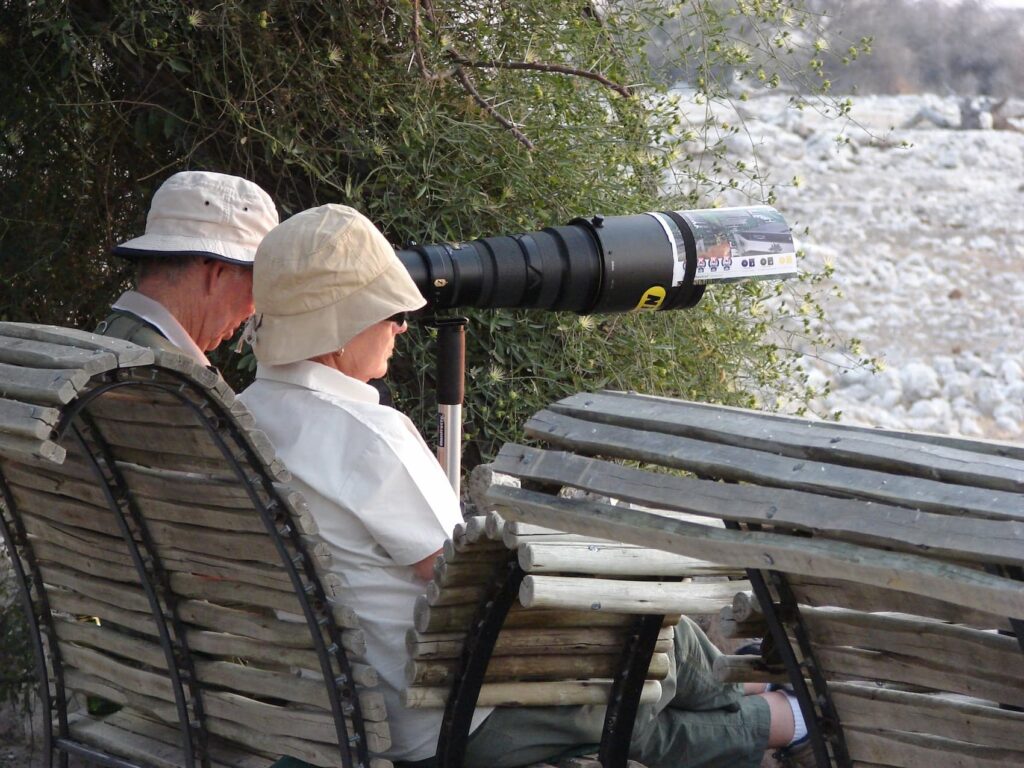
As the role of optics in wildlife photography continues to evolve, it is important to consider the ethical implications of their use. Unlike hunting, where the goal is to track and capture or kill, wildlife photography seeks to observe and document. This shift in intent necessitates a different approach to how we use optical equipment.

  1. Respect for Wildlife: The use of optics in wildlife photography should always be guided by a respect for the animals and their habitats. Photographers should avoid using optics to intrude on animals’ personal space or disrupt their natural behaviours. Instead, the goal should be to capture images that reflect the true essence of the wildlife, without causing harm or distress.
  2. Conservation and Education: Wildlife photography has the power to inspire and educate. By using optics to capture stunning images of wildlife, photographers can raise awareness about conservation issues and the importance of protecting natural habitats. This shift from the traditional use of optics in hunting to their use in conservation-oriented photography reflects a broader societal move towards preserving rather than exploiting our natural resources.

Conclusion

The role of optics in wildlife photography has grown far beyond their origins in the gun range. Today, they are essential tools that allow photographers to connect with nature in a meaningful and ethical way. By providing the ability to capture stunning images from a distance, optics have become instrumental in not only documenting wildlife but also in promoting conservation and respect for the natural world. As technology continues to advance, the possibilities for what can be achieved with optics in wildlife photography are limitless, offering new ways to see and appreciate the world around us.
Understanding Ballistics: How Optics Influence Bullet Trajectory

In the field of precision shooting, mastering the science of ballistics is crucial. Ballistics involves understanding the behaviour of projectiles, primarily bullets, from the moment they are fired until they hit the target. However, the trajectory of a bullet is not only influenced by physical forces like gravity and wind but also significantly impacted by the optics mounted on the firearm. This article explores how different types of optics affect bullet trajectory and how shooters can use this knowledge to improve their accuracy.

The Science of Ballistics and Optics

Ballistics can be divided into three categories: internal, external, and terminal. While internal ballistics deals with the behaviour of the bullet inside the barrel and terminal ballistics focuses on the bullet’s effect on the target, external ballistics is where optics play a crucial role. External ballistics involves the bullet’s flight from the barrel to the target, and this flight path is influenced by gravity, wind, and air resistance.

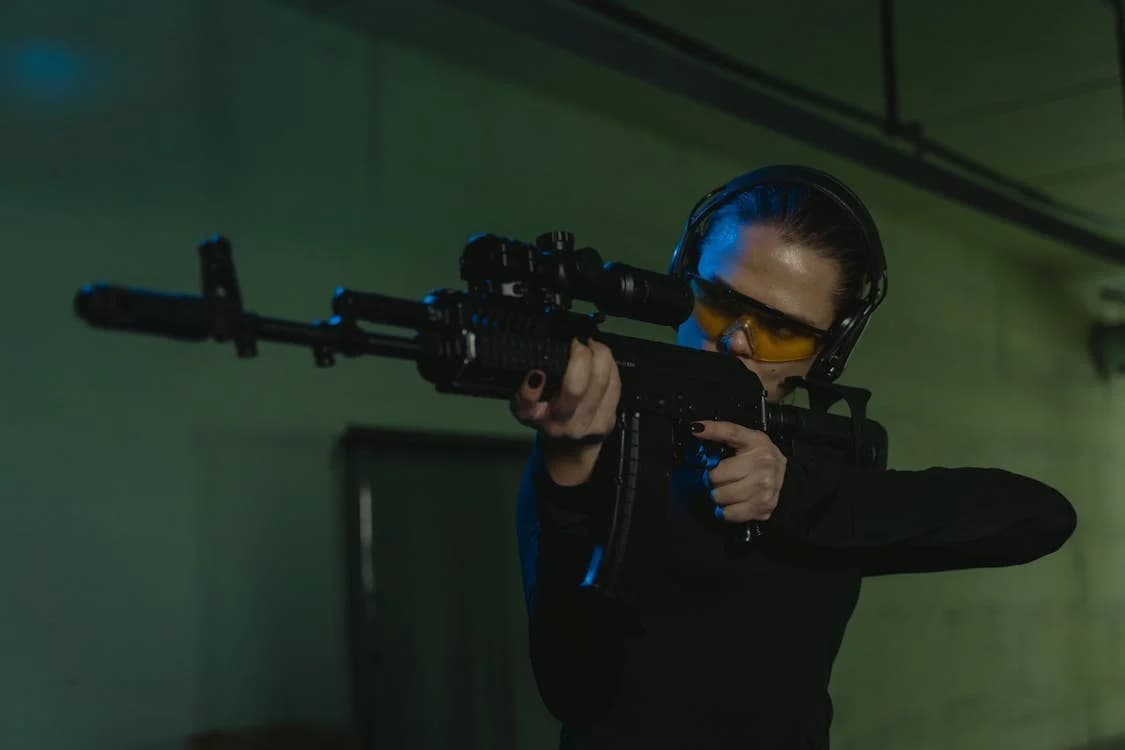
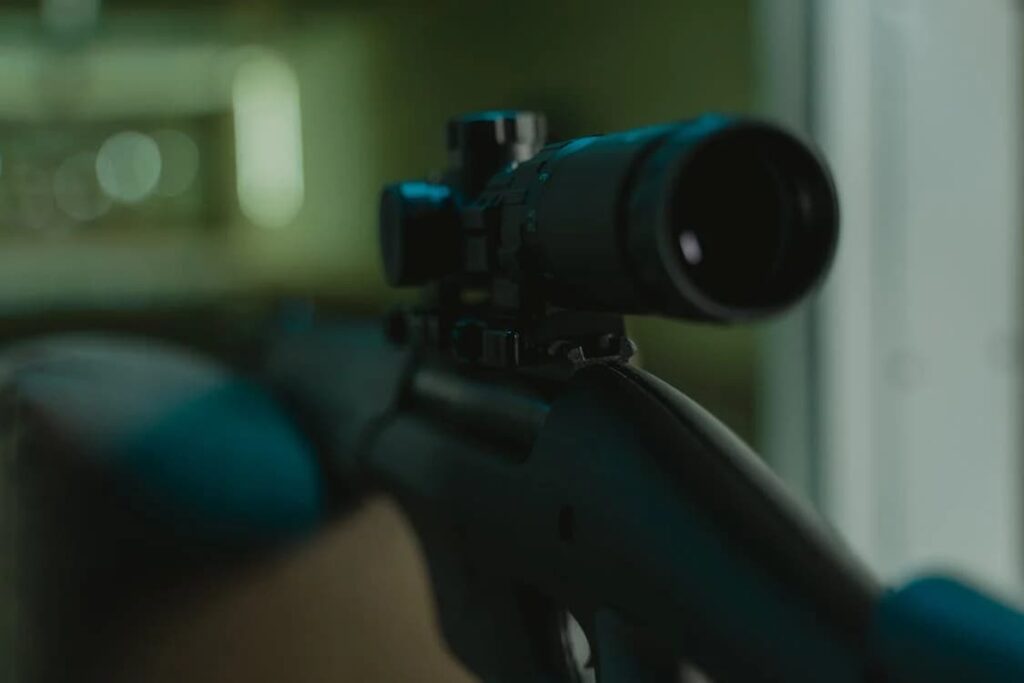
Optics, such as scopes and sights, are designed to enhance a shooter’s ability to hit a target accurately by providing a clearer view and compensating for bullet drop, wind drift, and other factors. Let’s dive into the key ways in which optics influence bullet trajectory.

Bullet Drop Compensation (BDC) and Accuracy

One of the most important features in modern optics is Bullet Drop Compensation (BDC). BDC reticles are designed to account for the bullet’s natural downward trajectory over distance. These reticles are calibrated for specific calibres and loads, allowing shooters to adjust their aim to compensate for gravity’s effect on the bullet. For long-range shooting, BDC can make a significant difference in ensuring the bullet lands on target, rather than falling short.

Additionally, shooters who enjoy engaging with dynamic and fast-paced environments may find that playing certain online games, such as hot target online, can help improve their focus and reaction time – skills that are equally valuable on the shooting range.

Magnification, Parallax, and Environmental Adjustments

Magnification in optics allows for better target visualisation at long distances, but it also introduces potential challenges like parallax, where the reticle appears to shift relative to the target when the shooter’s eye is not perfectly aligned with the scope. High-quality optics include parallax adjustment features, which ensure that the reticle remains accurate even if the shooter’s eye position changes slightly.

Moreover, environmental factors like wind, temperature, and humidity also impact bullet trajectory. Advanced optics often include adjustable turrets for windage and elevation, allowing shooters to compensate for these conditions. A scope that allows for fine adjustments in the field is essential for maintaining accuracy in varying environments.

The Role of Optics in Varying Conditions

While it’s easy to consider optics as static tools, their effectiveness can vary greatly depending on the shooting environment. For example, different lighting conditions can significantly affect how well a shooter can see through their optics. In low-light conditions, high-quality optics with features like illuminated reticles or enhanced lens coatings can make a crucial difference, allowing for more accurate aiming even when visibility is limited.

Additionally, different altitudes can affect bullet trajectory. At higher altitudes, where the air is thinner, bullets encounter less resistance and can travel farther. Optics that allow for easy adjustments to account for these environmental variables are essential for maintaining accuracy across various terrains and conditions.

Incorporating advanced optics into your shooting routine not only enhances accuracy but also builds consistency. Regular practice with the same optics enables shooters to anticipate how their equipment will perform under different scenarios, leading to better decision-making in critical moments.

Training and Real-World Application

Understanding the theoretical aspects of how optics influence ballistics is just the beginning. Practical application and training are essential to fully leverage this knowledge. Shooters must spend time on the range, experimenting with different optics settings, practising in various weather conditions, and testing their equipment at different ranges to truly understand how to adjust for bullet drop, wind drift, and other factors.

Moreover, mental sharpness and quick decision-making are vital skills in shooting, just as they are in other high-stakes activities. Engaging in mentally stimulating activities, such as playing certain types of online games, can help keep these skills sharp. For instance, exploring various gaming options on platforms like https://play-fortune.ro/jocuri/pacanele-gratis/ can provide an entertaining way to enhance your cognitive abilities, which are just as important on the range as they are in other areas of life.

Conclusion

The interaction between optics and bullet trajectory is a complex but essential aspect of precision shooting. By understanding the science behind ballistics and effectively utilising your optics, you can significantly improve your shooting accuracy. Whether you are adjusting for bullet drop or compensating for environmental factors, the right optics will give you the edge needed to consistently hit your target. Investing time in mastering your optics and ballistics knowledge will pay off on the range, ensuring that every shot is as accurate as possible.