The Role of Optics in Wildlife Photography: Beyond the Gun Range

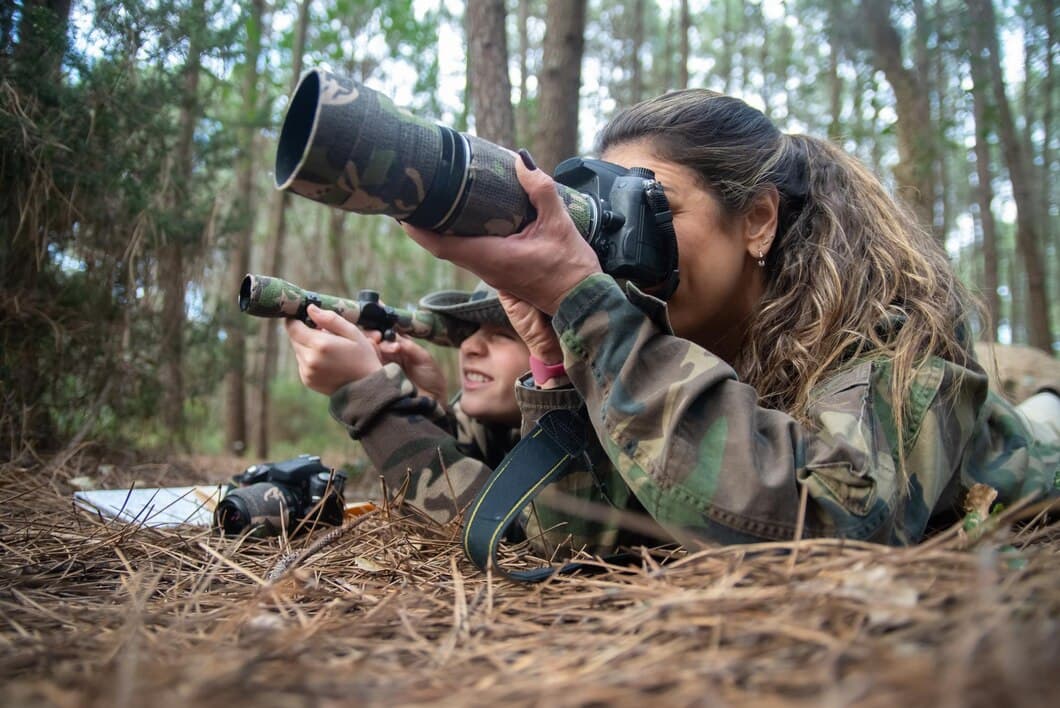
Wildlife photography is an art form that requires more than just a keen eye and quick reflexes. It demands a deep understanding of the tools that allow us to capture nature in its most elusive moments. Optics, in particular, play a pivotal role in this pursuit, bridging the gap between the photographer and their often distant, skittish subjects. As wildlife photography evolves, the significance of optics extends beyond their traditional use in hunting, offering a new perspective on how we interact with the natural world.

The Evolution of Optics: From Hunting to Photography

Historically, optics have been closely associated with hunting, where the primary goal was to accurately target and bring down game. Telescopic sights and binoculars were designed to enhance the hunter’s vision, allowing them to see clearly over long distances. These tools, however, were designed with a singular focus: to improve accuracy in a high-stakes, often life-or-death scenario.

As photography became more accessible and popular in the 20th century, the need for precise, high-quality optical equipment grew. Photographers began to realise that the same technology used in hunting could be repurposed to capture the beauty of wildlife, without the destructive intent. This shift marked a significant moment in the history of optics, transforming them from tools of pursuit into instruments of preservation and appreciation.

Today, advanced optics are an integral part of wildlife photography, enabling photographers to capture images with a level of detail and clarity that was previously unimaginable. High-quality lenses, binoculars, and spotting scopes have become essential tools, allowing photographers to observe and document wildlife from a respectful distance, without disturbing their natural behaviour.

The Importance of Optical Quality in Wildlife Photography

Optical quality is a critical factor in wildlife photography. Unlike other forms of photography, where subjects may be static and controlled, wildlife photography often involves unpredictable and fast-moving subjects. The right optics can make the difference between capturing a fleeting moment and missing it altogether.

  1. Magnification and Clarity: One of the most important aspects of optics in wildlife photography is magnification. A powerful telephoto lens or a high-quality spotting scope allows photographers to get close to their subjects without physically approaching them, which is crucial for capturing candid, natural behaviours. However, magnification is only part of the equation. The clarity and resolution of the optics are equally important. High-quality glass and coatings reduce chromatic aberration and increase sharpness, ensuring that even at high magnifications, images are crisp and clear.
  2. Light Transmission and Low-Light Performance: Wildlife photography often takes place in challenging lighting conditions, such as dawn or dusk when animals are most active. Optics with superior light transmission can make a significant difference in these situations. Lenses with wide apertures and high-quality coatings help gather more light, allowing photographers to shoot in low-light conditions without sacrificing image quality. This capability is essential for capturing the subtle details and textures that bring wildlife photos to life.

Beyond the Gun Range: The Ethical Use of Optics in Wildlife Photography
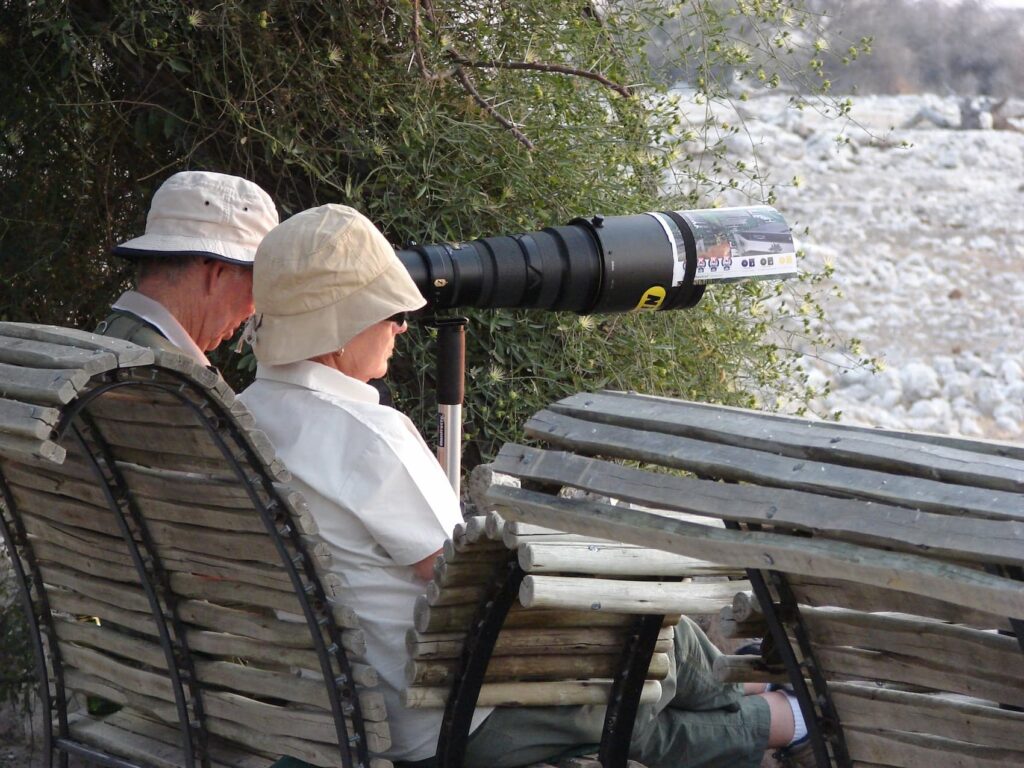
As the role of optics in wildlife photography continues to evolve, it is important to consider the ethical implications of their use. Unlike hunting, where the goal is to track and capture or kill, wildlife photography seeks to observe and document. This shift in intent necessitates a different approach to how we use optical equipment.

  1. Respect for Wildlife: The use of optics in wildlife photography should always be guided by a respect for the animals and their habitats. Photographers should avoid using optics to intrude on animals’ personal space or disrupt their natural behaviours. Instead, the goal should be to capture images that reflect the true essence of the wildlife, without causing harm or distress.
  2. Conservation and Education: Wildlife photography has the power to inspire and educate. By using optics to capture stunning images of wildlife, photographers can raise awareness about conservation issues and the importance of protecting natural habitats. This shift from the traditional use of optics in hunting to their use in conservation-oriented photography reflects a broader societal move towards preserving rather than exploiting our natural resources.

Conclusion

The role of optics in wildlife photography has grown far beyond their origins in the gun range. Today, they are essential tools that allow photographers to connect with nature in a meaningful and ethical way. By providing the ability to capture stunning images from a distance, optics have become instrumental in not only documenting wildlife but also in promoting conservation and respect for the natural world. As technology continues to advance, the possibilities for what can be achieved with optics in wildlife photography are limitless, offering new ways to see and appreciate the world around us.
Understanding Ballistics: How Optics Influence Bullet Trajectory

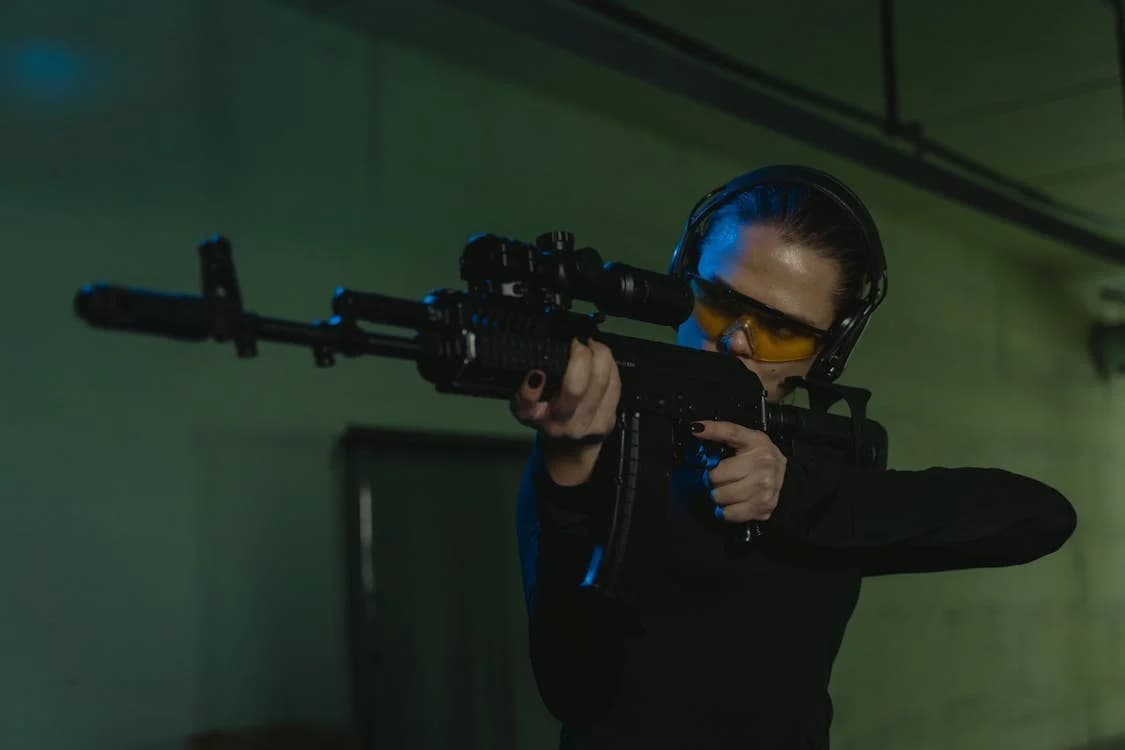
In the field of precision shooting, mastering the science of ballistics is crucial. Ballistics involves understanding the behaviour of projectiles, primarily bullets, from the moment they are fired until they hit the target. However, the trajectory of a bullet is not only influenced by physical forces like gravity and wind but also significantly impacted by the optics mounted on the firearm. This article explores how different types of optics affect bullet trajectory and how shooters can use this knowledge to improve their accuracy.

The Science of Ballistics and Optics

Ballistics can be divided into three categories: internal, external, and terminal. While internal ballistics deals with the behaviour of the bullet inside the barrel and terminal ballistics focuses on the bullet’s effect on the target, external ballistics is where optics play a crucial role. External ballistics involves the bullet’s flight from the barrel to the target, and this flight path is influenced by gravity, wind, and air resistance.

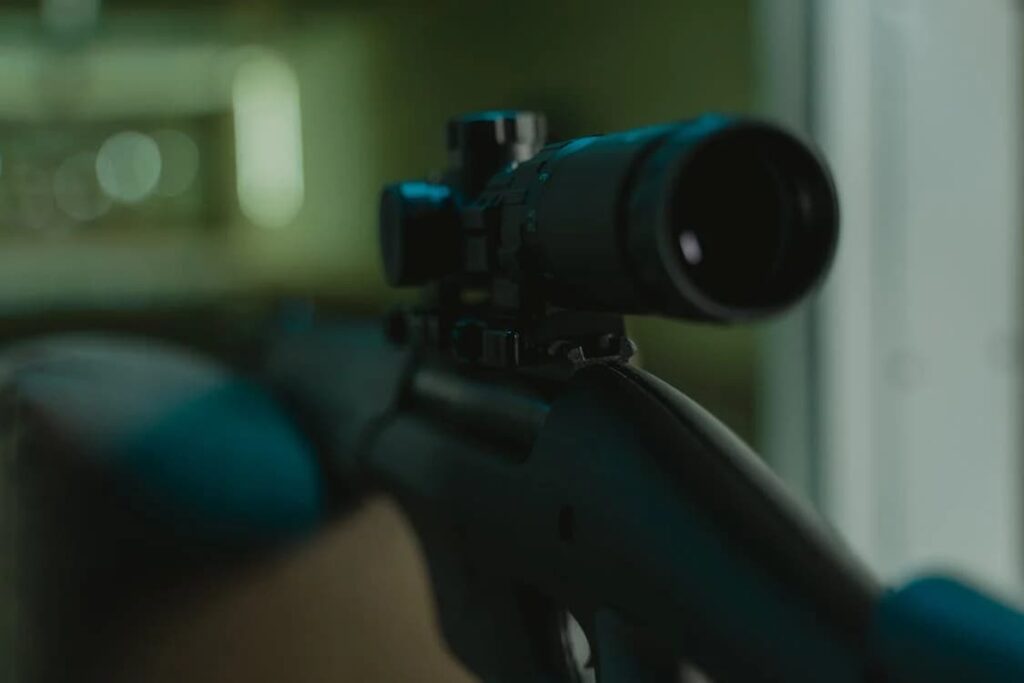
Optics, such as scopes and sights, are designed to enhance a shooter’s ability to hit a target accurately by providing a clearer view and compensating for bullet drop, wind drift, and other factors. Let’s dive into the key ways in which optics influence bullet trajectory.

Bullet Drop Compensation (BDC) and Accuracy

One of the most important features in modern optics is Bullet Drop Compensation (BDC). BDC reticles are designed to account for the bullet’s natural downward trajectory over distance. These reticles are calibrated for specific calibres and loads, allowing shooters to adjust their aim to compensate for gravity’s effect on the bullet. For long-range shooting, BDC can make a significant difference in ensuring the bullet lands on target, rather than falling short.

Additionally, shooters who enjoy engaging with dynamic and fast-paced environments may find that playing certain online games, such as hot target online, can help improve their focus and reaction time – skills that are equally valuable on the shooting range.

Magnification, Parallax, and Environmental Adjustments

Magnification in optics allows for better target visualisation at long distances, but it also introduces potential challenges like parallax, where the reticle appears to shift relative to the target when the shooter’s eye is not perfectly aligned with the scope. High-quality optics include parallax adjustment features, which ensure that the reticle remains accurate even if the shooter’s eye position changes slightly.

Moreover, environmental factors like wind, temperature, and humidity also impact bullet trajectory. Advanced optics often include adjustable turrets for windage and elevation, allowing shooters to compensate for these conditions. A scope that allows for fine adjustments in the field is essential for maintaining accuracy in varying environments.

The Role of Optics in Varying Conditions

While it’s easy to consider optics as static tools, their effectiveness can vary greatly depending on the shooting environment. For example, different lighting conditions can significantly affect how well a shooter can see through their optics. In low-light conditions, high-quality optics with features like illuminated reticles or enhanced lens coatings can make a crucial difference, allowing for more accurate aiming even when visibility is limited.

Additionally, different altitudes can affect bullet trajectory. At higher altitudes, where the air is thinner, bullets encounter less resistance and can travel farther. Optics that allow for easy adjustments to account for these environmental variables are essential for maintaining accuracy across various terrains and conditions.

Incorporating advanced optics into your shooting routine not only enhances accuracy but also builds consistency. Regular practice with the same optics enables shooters to anticipate how their equipment will perform under different scenarios, leading to better decision-making in critical moments.

Training and Real-World Application

Understanding the theoretical aspects of how optics influence ballistics is just the beginning. Practical application and training are essential to fully leverage this knowledge. Shooters must spend time on the range, experimenting with different optics settings, practising in various weather conditions, and testing their equipment at different ranges to truly understand how to adjust for bullet drop, wind drift, and other factors.

Moreover, mental sharpness and quick decision-making are vital skills in shooting, just as they are in other high-stakes activities. Engaging in mentally stimulating activities, such as playing certain types of online games, can help keep these skills sharp. For instance, exploring various gaming options on platforms like https://play-fortune.ro/jocuri/pacanele-gratis/ can provide an entertaining way to enhance your cognitive abilities, which are just as important on the range as they are in other areas of life.

Conclusion

The interaction between optics and bullet trajectory is a complex but essential aspect of precision shooting. By understanding the science behind ballistics and effectively utilising your optics, you can significantly improve your shooting accuracy. Whether you are adjusting for bullet drop or compensating for environmental factors, the right optics will give you the edge needed to consistently hit your target. Investing time in mastering your optics and ballistics knowledge will pay off on the range, ensuring that every shot is as accurate as possible.

Tips for Hunters and Shooters on Building a Budget for Gear and Investments

When embarking on the journey of hunting and shooting, it’s essential to approach gear acquisition and investment with a strategic mindset, especially for enthusiasts on a budget. Start by establishing a clear understanding of your priorities and requirements, which will help in distinguishing between the essentials and the nice-to-haves. For instance, investing in a reliable firearm and optics should top your list, as these are the cornerstones of a successful hunting or shooting experience. Additionally, researching and choosing versatile gear that can serve multiple purposes not only saves money but also reduces the load you need to carry. It’s beneficial to set aside a portion of your budget for maintenance and unforeseen expenses to ensure your gear remains in top condition.

Moreover, leveraging platforms like Exness MT4 for Indonesian traders can introduce an unconventional yet effective way to manage and potentially grow your budget for hunting and shooting investments. By engaging in trading with a platform well-suited for beginners and professionals alike, you can diversify your income sources, which can then be allocated towards upgrading your gear or funding trips. Remember, it’s critical to educate yourself on the basics of trading and invest wisely, considering the inherent risks. Adopting a disciplined saving strategy, taking advantage of seasonal sales, and buying quality used equipment are additional methods to make your passion for hunting and shooting more affordable. By thoughtfully planning your budget and exploring innovative financial strategies, you can enjoy the thrill of the hunt without breaking the bank.

Importance of Budgeting for Hunters and Shooters

Budgeting plays a critical role for hunters and shooters, ensuring that their passion remains both sustainable and enjoyable over the long term. This importance can be broken down into several key aspects:

  • Financial Management: For enthusiasts, hunting and shooting can be expensive hobbies, involving costs such as firearms, ammunition, gear, licenses, and travel expenses. A well-planned budget helps in managing these expenses, ensuring that enthusiasts can afford their pursuits without compromising their financial stability. By allocating funds specifically for hunting and shooting activities, individuals can avoid overspending and ensure they have the necessary resources when needed.
  • Prioritizing Investments: A budget allows hunters and shooters to prioritize their investments in gear and equipment. It helps in distinguishing between essential items that need immediate purchase or upgrade and non-essential items that can wait. This prioritization ensures that funds are allocated efficiently, focusing on quality items that improve the hunting or shooting experience and ensure safety.
  • Planning for the Long Term: Hunting and shooting gear can be durable, but it does require maintenance and eventual replacement. A budget helps in planning for these long-term expenses, ensuring that individuals can set aside funds for maintenance, repairs, or upgrades without facing financial strain. This long-term planning also includes saving for larger investments, such as high-quality firearms or advanced optical systems, which can significantly enhance performance.
  • Maximizing Opportunities: With a budget, hunters and shooters can maximize their opportunities to participate in their hobbies. This includes taking advantage of off-season sales for gear, buying in bulk to save on ammunition, or planning more affordable hunting trips. Budgeting also opens up the possibility of exploring new hunting locations or trying out different shooting disciplines by allocating funds specifically for these experiences.
  • Enhancing Enjoyment and Reducing Stress: Knowing that the financial aspect of their hobby is under control allows hunters and shooters to enjoy their time in the field or at the range more fully. Budgeting reduces the stress associated with financial concerns, enabling enthusiasts to focus on improving their skills, experiencing the outdoors, and enjoying the camaraderie with fellow enthusiasts.

In essence, budgeting is not just about controlling expenses; it’s about making informed decisions that enhance the overall hunting and shooting experience. It ensures that enthusiasts can continue to engage in their passions in a responsible and financially sustainable manner.

Assessing Hunting and Shooting Activities

Assessing hunting and shooting activities involves considering a range of factors that encompass not only the personal satisfaction and skill development these pursuits offer but also their broader impact on conservation, the economy, and social aspects. Here’s a comprehensive look at these facets:

Personal Fulfillment and Skills

Hunting and shooting provide a sense of personal achievement and fulfillment that stems from mastering complex skills, understanding the environment, and practicing ethical hunting and marksmanship. These activities demand patience, precision, and discipline, fostering a deep connection with nature and promoting mental health through outdoor exposure. For many, they are also a means to continue family traditions and cultural heritage.

Conservation and Wildlife Management

Contrary to some perceptions, hunting plays a critical role in wildlife management and conservation efforts. Regulated hunting helps maintain healthy animal populations, preventing overpopulation and its associated problems, such as habitat destruction and disease spread. Licensing fees and taxes on hunting gear contribute significantly to conservation programs, habitat restoration, and the protection of endangered species.

Economic Impact

Hunting and shooting contribute substantially to the economy, especially in rural areas. They support local businesses, including sporting goods stores, lodges, and guide services, and generate revenue through license sales, park fees, and tourism. The economic activity supports job creation and funds important conservation work, making it a vital industry in many regions.

Social and Cultural Dimensions

Socially, hunting and shooting activities foster community bonds and traditions, passing down knowledge and ethics from one generation to the next. They encourage family and community engagement, providing opportunities for mentorship and the sharing of experiences. Moreover, these activities can foster a sense of responsibility and conservation ethics among participants, promoting sustainable practices and respect for wildlife.

Ethical and Environmental Considerations

Ethical hunting and shooting practices are paramount, involving the humane treatment of animals, respect for regulations, and the avoidance of wasteful practices. Ethical hunters and shooters are also concerned with minimizing their environmental impact, practicing Leave No Trace principles, and participating in or supporting ecological restoration efforts.

Safety and Regulation

Safety is a crucial aspect of hunting and shooting, necessitating strict adherence to guidelines and regulations. Proper education and training in firearm safety and hunting ethics are essential to prevent accidents and ensure responsible behavior. Regulations and laws governing hunting seasons, bag limits, and protected areas aim to sustain wildlife populations and habitat health.

Challenges and Controversies

Hunting and shooting activities are not without their challenges and controversies, including debates over animal rights, the impact of hunting on specific wildlife populations, and access to public lands for hunting purposes. Balancing the interests of hunters, conservationists, and the general public requires ongoing dialogue, research, and adaptive management strategies.

In sum, assessing hunting and shooting activities requires a nuanced understanding of their multifaceted roles in personal development, conservation, the economy, and society. While they offer significant benefits, responsible participation and continuous evaluation of their impacts are essential to ensure these pursuits contribute positively to individual lives and the broader community.

Researching Gear and Investments

Researching gear and investments for hunting and shooting is an essential process that enables enthusiasts to make informed decisions, optimize their performance, and ensure safety. This process involves several key steps and considerations:

Define Your Needs and Objectives

  • Specific Activities: Identify the specific type of hunting or shooting you plan to engage in, as gear requirements can vary significantly between different activities (e.g., big game hunting vs. bird shooting).
  • Experience Level: Consider your experience level. Beginners might need different gear compared to experienced hunters and shooters.
  • Budget: Establish a budget upfront. Knowing how much you’re willing to spend can help narrow down options and focus on getting the best value.

Conduct Thorough Research

  • Product Reviews: Look for reviews from reputable sources such as hunting magazines, websites, and forums. Real user reviews on retailer sites can also provide practical insights.
  • Brand Reputation: Research the reputation of brands for quality, durability, and customer service. Established brands often offer reliability, but don’t overlook emerging brands that might offer innovative products.
  • Comparison Shopping: Compare features, prices, and reviews across different brands and models to find the best fit for your needs and budget.

Leverage Expert and Community Insights

  • Consult with Experienced Hunters/Shooters: If possible, talk to experienced individuals in your network. Their insights can be invaluable in recommending gear and sharing what to prioritize.
  • Join Online Forums and Social Media Groups: Online communities are great resources for advice, tips, and recommendations on gear. Engaging with these communities can also provide ongoing support and knowledge sharing.

Consider Future Needs

  • Versatility and Upgradeability: Consider gear that can serve multiple purposes or be upgraded over time. This approach can save money and space in the long run.
  • Longevity and Warranty: Invest in gear that’s built to last and comes with a good warranty. Initial higher costs may lead to long-term savings by avoiding frequent replacements.

Test Gear When Possible

  • Hands-On Experience: Whenever possible, test gear before purchasing. Many stores offer the opportunity to handle firearms, wear clothing, or even demo optics.
  • Rentals and Borrowing: Some ranges and clubs offer rentals, which can be a great way to try firearms and optics before committing to a purchase.

Focus on Essential Investments First

  • Prioritize Must-Haves: Invest in essential gear first, such as a reliable firearm, appropriate ammunition, safety equipment, and basic outdoor gear. Non-essential accessories can wait.

Stay Informed and Flexible

  • Keep Learning: The hunting and shooting industry is constantly evolving, with new technologies and products introduced regularly. Stay informed about innovations that could enhance your experience.
  • Be Open to Change: As you gain more experience, your preferences and needs might evolve. Be open to adjusting your gear choices based on what works best for you.

Researching gear and investments is a continuous process that evolves with your hunting and shooting activities. By taking a thoughtful and informed approach, you can ensure that you select the best equipment and investments to support your passion for years to come.

Tips for Hunters and Shooters for Building a Budget

Building a budget for hunting and shooting activities is crucial for ensuring that you can enjoy your passion without financial strain. Here are some practical tips to help hunters and shooters plan their finances effectively:

1. Assess Your Current Gear

  • Inventory Existing Equipment: Start by taking stock of what you already have. This helps in identifying essential items you need versus nice-to-have upgrades that can wait.
  • Evaluate Gear Condition: Assess the condition of your current gear to determine if anything needs replacing or if it can last another season.

2. Set Clear Priorities

  • Essential vs. Non-Essential: Prioritize purchases based on necessity. Essentials might include safety gear, while non-essentials could be the latest gadgets.
  • Short-Term vs. Long-Term Needs: Distinguish between immediate needs and long-term investments. This helps in spreading out expenses over time.

3. Create a Dedicated Budget

  • Allocate Funds: Designate a portion of your income specifically for hunting and shooting activities. This includes gear, licenses, travel, and miscellaneous expenses.
  • Save for Big Purchases: Consider setting aside a little each month into a savings account for larger investments, such as a new firearm or a guided hunt.

4. Shop Smart

  • Look for Deals: Take advantage of sales, especially off-season discounts. Online marketplaces and forums can also be good sources for second-hand gear.
  • Compare Prices: Use online tools and apps to compare prices across different retailers. Sometimes, buying directly from the manufacturer can be cheaper.
  • Quality Over Quantity: Invest in high-quality gear that will last longer, even if it’s more expensive upfront. This approach saves money in the long run.

5. Consider Additional Income Streams

  • Side Gigs: Look for ways to make extra money, perhaps by guiding hunts, selling wildlife photography, or offering shooting lessons.
  • Invest Wisely: If you’re financially inclined, consider investments that could grow your budget for hunting and shooting. Be cautious and do thorough research before investing.

6. Plan for the Unexpected

  • Emergency Fund: Set aside funds for unexpected expenses, such as urgent gear repairs or replacements. This prevents these surprises from derailing your budget.
  • Insurance: Consider insurance for your most valuable gear, especially items that are costly to replace.

7. Use Resources Wisely

  • Public Land: Utilize public lands for hunting to save on private land fees. Make sure to research regulations and obtain the necessary permits.
  • DIY Where Possible: From reloading your own ammunition to building your own targets, there are many ways to save money by doing things yourself.

8. Continuously Review and Adjust

  • Track Spending: Keep a record of all hunting-related expenses to monitor where your money goes. This can help identify areas where you can cut back.
  • Adjust as Necessary: As your priorities or financial situation changes, be prepared to adjust your budget. Review and update your budget at least annually.

By following these tips, hunters and shooters can create a sustainable budget that allows them to pursue their passion without financial stress. Remember, the key is to plan ahead, make informed decisions, and stay disciplined with your spending.

Conclusion

Building and managing a budget for hunting and shooting activities is an essential aspect of enjoying these pastimes sustainably and responsibly. By assessing current gear, setting clear priorities, and creating a dedicated budget, enthusiasts can ensure they are investing wisely in their passion. Smart shopping habits, like seeking out deals and prioritizing quality over quantity, further enable hunters and shooters to make the most of their resources. Additionally, exploring additional income streams and planning for unexpected expenses can provide financial cushioning and peace of mind.

Effective budget management not only safeguards against financial strain but also enhances the overall experience by allowing enthusiasts to focus on what truly matters: the enjoyment and fulfillment derived from hunting and shooting. The key lies in continuous assessment and adjustment of one’s budget and priorities, ensuring that both immediate needs and long-term goals are met. By adopting a thoughtful and proactive approach to budgeting, hunters and shooters can continue to engage in these activities with confidence, knowing they are prepared for whatever adventures lie ahead.

In essence, the discipline of budgeting extends beyond mere financial management; it is about maximizing experiences, fostering responsible and ethical engagement in hunting and shooting, and ensuring the longevity of these traditions for future generations to appreciate and enjoy.

The Importance of High-Quality Optics in Long-Range Shooting

The art of long-range shooting hinges on the precise interplay between skill, technology, and the quality of equipment, with the latter often being the defining factor between success and near misses. High-quality optics stand at the forefront of this equipment list, playing a pivotal role in the accuracy and effectiveness of long-range shooting. These sophisticated instruments, including scopes and binoculars, enable shooters to make adjustments for variables such as windage, elevation, and parallax, offering a clarity and precision that is indispensable in hitting distant targets. The significance of high-quality optics transcends mere preference, becoming a fundamental necessity for enthusiasts, competitive shooters, and professionals alike who rely on their unparalleled performance to achieve their objectives.

The evolution of long-range shooting as both a sport and a tactical discipline has been closely tied to advancements in optical technology. Today, the demand for optics that can provide crystal-clear images, reliable mechanical performance, and durability under harsh conditions is higher than ever. This requirement stems from the understanding that in long-range shooting, every detail matters—from the texture of the target’s surface to the subtlest environmental changes. High-quality optics not only enhance the shooter’s vision and range but also imbue them with the confidence to make shots that would otherwise be deemed impossible. In this context, investing in superior optics is not just about improving one’s arsenal but about embracing the precision and reliability that define the essence of long-range shooting.

Definition of Optics

The nuanced domain of optics, encompassing both its physical and geometric facets, has been instrumental in advancing our understanding and manipulation of light. This dual approach allows scientists and engineers to explore the vast spectrum of light’s behavior, from the simple bending of rays to complex wave interference patterns. Geometric optics simplifies the visualization of light paths, facilitating the design of lenses and mirrors that direct and focus light with precision. These principles are foundational in creating tools that extend our natural vision, from the microcosms under a microscope to the vast expanse of the universe captured by telescopes. Meanwhile, physical optics delves deeper into the wave nature of light, uncovering phenomena such as the intricate dance of light waves interfering with one another, the bending of light around edges, and the way light’s speed changes in different mediums.

Optical Marvels: Transforming Industries and Health

The application of optics has revolutionized numerous fields, from communication and entertainment to healthcare and manufacturing. In the realm of telecommunications, fiber optic technology uses light to transmit data over long distances at speeds unattainable by traditional metal wires, facilitating the global internet infrastructure that connects the world today. In healthcare, optical instruments and techniques such as lasers and endoscopes perform minimally invasive surgeries, improving patient outcomes and recovery times. The entertainment industry also benefits from optical innovations through the creation of vivid, lifelike visual effects in movies and video games, enhancing the viewer’s experience by leaps and bounds.

Light’s Legacy: Pioneering Discoveries in Optics

Moreover, the exploration of optics has paved the way for groundbreaking scientific discoveries and technological innovations. The development of lasers, a direct application of quantum optics, has led to diverse uses, from cutting-edge medical procedures and precise measurement tools to data storage and retrieval systems. The ongoing research in optical physics promises to unlock even more potential, with endeavors like quantum computing and holography poised to transform the digital landscape. As we continue to unravel the complexities of light and its interactions, the field of optics stands as a testament to humanity’s quest for knowledge and its ability to harness nature’s principles to drive technological progress.

Types of Optics Used in Long-range Shooting

In long-range shooting, the selection of optics is crucial for achieving accuracy over distances. The types of optics used are specialized to enhance visibility, precision, and measurement capabilities, each playing a unique role in the shooter’s ability to engage targets effectively. Here’s an overview of the primary types of optics used in long-range shooting:

  1. Riflescopes: The most essential optical tool for long-range shooters, riflescopes magnify distant targets, making them easier to see and engage. High-quality scopes offer superior clarity, brightness, and contrast, even in low-light conditions. They come with a variety of reticles (crosshairs) and adjustment features for windage, elevation, and sometimes parallax, allowing shooters to compensate for bullet drop and environmental effects over distance. First Focal Plane (FFP) and Second Focal Plane (SFP) scopes differ in how the size of the reticle changes with magnification, affecting how shooters calculate distances and make adjustments.
  2. Spotting Scopes: These are used alongside riflescopes for observing distant targets at higher magnifications than riflescopes typically allow. Spotting scopes are invaluable for spotting shots, identifying bullet impacts, and making necessary adjustments without leaving the shooting position. They can also be used for scouting potential targets and assessing wind conditions at various ranges. Spotting scopes often come with angled or straight eyepieces and may include features like weather resistance and compatibility with tripods for stable viewing.
  3. Range Finders: Critical for long-range shooting, range finders measure the distance to the target with high precision. Knowing the exact range allows shooters to apply the correct bullet drop and windage adjustments. Modern laser rangefinders can provide instant distance readings and may include features such as ballistic calculators, angle compensation, and environmental sensors to provide a comprehensive shooting solution.
  4. Binoculars: Though not used for aiming, binoculars are essential for long-range shooters for initial target identification and scouting. They offer a wider field of view than spotting scopes, making them ideal for quickly surveying large areas. High-quality binoculars can deliver clear, bright images even in challenging light conditions, and they’re invaluable for spotting game or targets at long distances.

Each type of optic contributes to the long-range shooter’s ability to accurately estimate distances, adjust for environmental factors, and ultimately place shots with precision. The integration of these optics into the shooting setup reflects a blend of technology and skill that defines the modern long-range shooting experience.

Advantages of High-quality Optics

High-quality optics bring a multitude of advantages to various fields, ranging from astronomy and photography to medical imaging and long-range shooting. The benefits of investing in superior optical equipment are profound, reflecting in enhanced performance, accuracy, and reliability. Here are some key advantages of high-quality optics:

  • Superior Image Clarity and Resolution: High-quality optics are designed to minimize aberrations and maximize the transmission of light, resulting in images of exceptional clarity and sharpness. This is crucial in applications where the fine details matter, such as in wildlife photography, microscopic examination, or spotting distant targets in shooting. Better resolution allows for more accurate identification, analysis, and engagement of subjects at various distances.
  • Improved Light Gathering Ability: Superior optics have better light transmission capabilities, which is especially important in low-light conditions. Whether it’s observing celestial objects at night, conducting surveillance in dim environments, or aiming in the dusk hours, high-quality optics can gather more light and provide a brighter, clearer image. This capability extends the usable hours of operation and enhances safety and effectiveness in critical situations.
  • Enhanced Durability and Reliability: High-quality optical instruments are built to withstand the rigors of their operating environments. This includes resistance to water, fog, shock, and temperature variations. For professionals and enthusiasts alike, this means their equipment is less likely to fail or suffer performance degradation in adverse conditions. In long-range shooting, for instance, a durable and reliable scope ensures consistent performance over time, regardless of weather or rough handling.
  • Precise and Repeatable Adjustments: Superior optics often feature precision-engineered adjustment mechanisms for focusing, zooming, and correcting for parallax, elevation, and windage. These adjustments are crucial for tasks requiring high precision, such as long-range shooting or scientific research. High-quality optics provide repeatable and accurate adjustments, allowing users to trust their equipment to maintain settings and perform as expected every time.
  • Ergonomic and User-friendly Design: Beyond optical performance, high-quality optics are designed with the user in mind. This includes ergonomic features that make the equipment easier and more comfortable to use, such as intuitive controls, comfortable eye relief, and balanced weight distribution. For activities that require extended periods of observation or use, such as birdwatching, stargazing, or surveillance, these ergonomic considerations can significantly enhance the user experience.

Investing in high-quality optics thus translates to a combination of improved performance, reliability, and user satisfaction. Whether for professional application or personal passion, the advantages of superior optical equipment are clear, providing users with the tools they need to explore, observe, and engage with the world around them with unparalleled precision and clarity.

Conclusion

The importance of high-quality optics cannot be overstated across a wide array of fields, from scientific research and medical diagnostics to professional photography and long-range shooting. These advanced optical tools enhance our ability to see and interact with the world around us, extending the limits of human vision and precision. High-quality optics provide clearer images, superior light gathering capabilities, enhanced durability, precise adjustments, and ergonomic designs that collectively improve performance, reliability, and user experience.

For enthusiasts and professionals alike, investing in superior optics is a decision that pays dividends in accuracy, effectiveness, and satisfaction. In disciplines like long-range shooting, the right optical equipment can be the difference between hitting the mark and missing it entirely, where precision is not just desired but essential. In scientific research, high-quality optics enable breakthrough discoveries by allowing us to observe the unseeable. And in everyday applications, from birdwatching to stargazing, they bring the beauty of the distant and the minute into clear view.

As technology continues to advance, the future of optics promises even greater capabilities and innovations. With ongoing developments in materials science, digital technology, and engineering, the next generation of optical instruments will undoubtedly open new horizons for exploration and understanding. The commitment to quality in the design and manufacture of optical tools is a testament to the endless human pursuit of knowledge and the desire to push the boundaries of what is possible. In this endeavor, high-quality optics will remain an indispensable ally, illuminating the path forward.